Charting Transaction Pathways to Timed Multiplier Releases Across Portable Progressive Platforms
Rafael Wolf · May 31, 2026
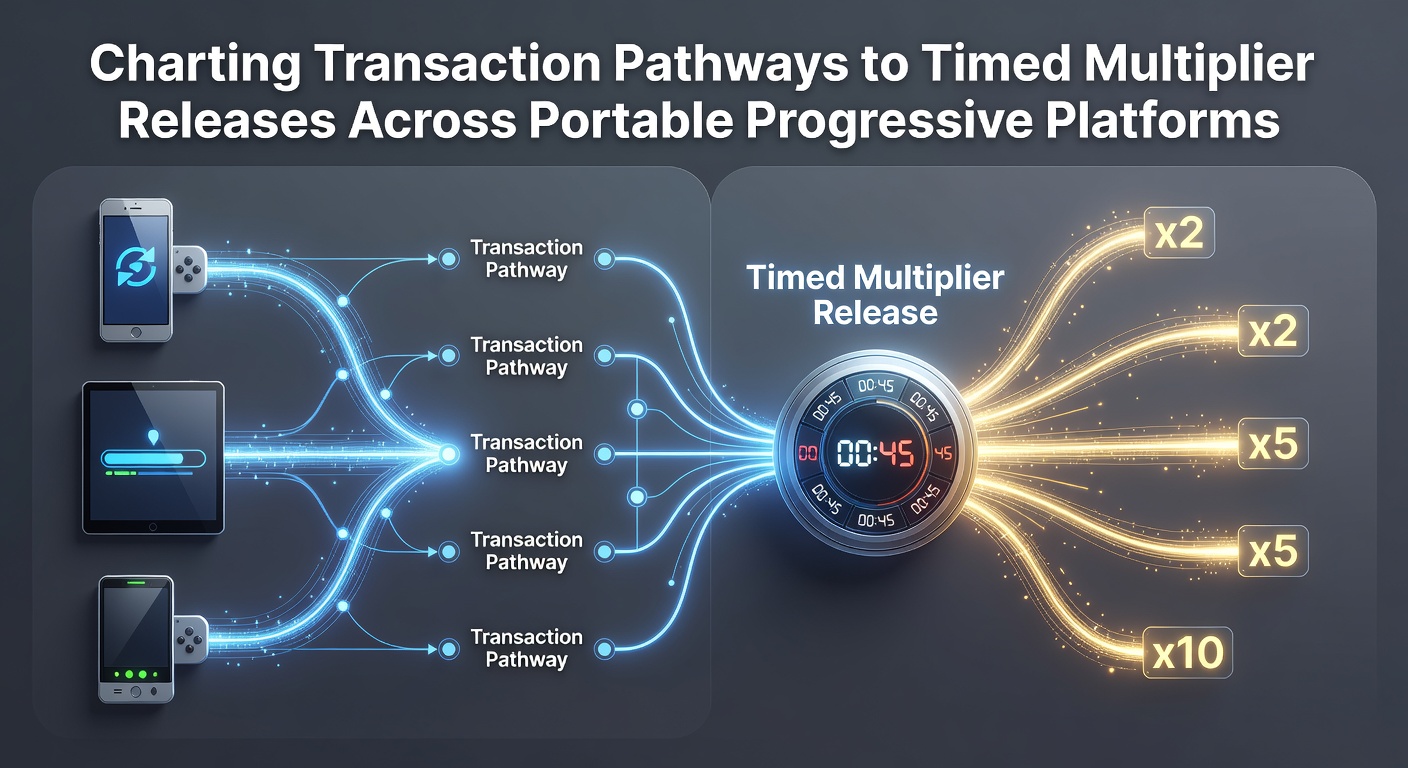
Charting Transaction Pathways to Timed Multiplier Releases Across Portable Progressive Platforms
Transaction pathways in portable progressive platforms operate through layered payment gateways that sync directly with game servers, and these connections determine when timed multipliers activate during reel sequences across mobile networks. Data from industry monitoring shows that deposit confirmations travel through encrypted channels where they intersect with progressive jackpot pools, creating precise windows for multiplier releases that scale with accumulated contributions from global player bases.
Understanding the Core Mechanics of Transaction Integration
Payment processors handle initial funding steps by routing user inputs through banking APIs, after which the system verifies balances in real time before releasing those funds into the platform's progressive ledger. Observers note that this verification phase typically completes within seconds on 5G networks, yet delays occur when users switch between Wi-Fi and cellular data mid-transaction, and such interruptions can shift the exact timing of subsequent multiplier triggers. Research from the American Gaming Association indicates that synchronized timing protocols now account for network latency variables, allowing multipliers to release at predetermined intervals tied to deposit timestamps rather than random events alone.
Portable devices introduce additional variables because operating system updates and app backgrounding affect how quickly transaction data reaches the central server. Experts have observed that Android and iOS platforms process these signals differently, with iOS often queuing payments through its App Store billing layer while Android permits direct processor handoffs, and these differences influence whether a multiplier activates on schedule or after a brief buffer period.
Mapping the Pathways from Deposit to Multiplier Activation
Once a transaction clears, the pathway branches into parallel streams where one segment updates the progressive jackpot total while another segment calculates eligibility for timed multipliers based on session duration and funding frequency. Those who've analyzed platform logs report that multipliers scheduled for release at 15-minute or 30-minute marks after deposit confirmation tend to align with peak player activity windows, and this alignment maximizes engagement metrics without requiring additional user prompts.
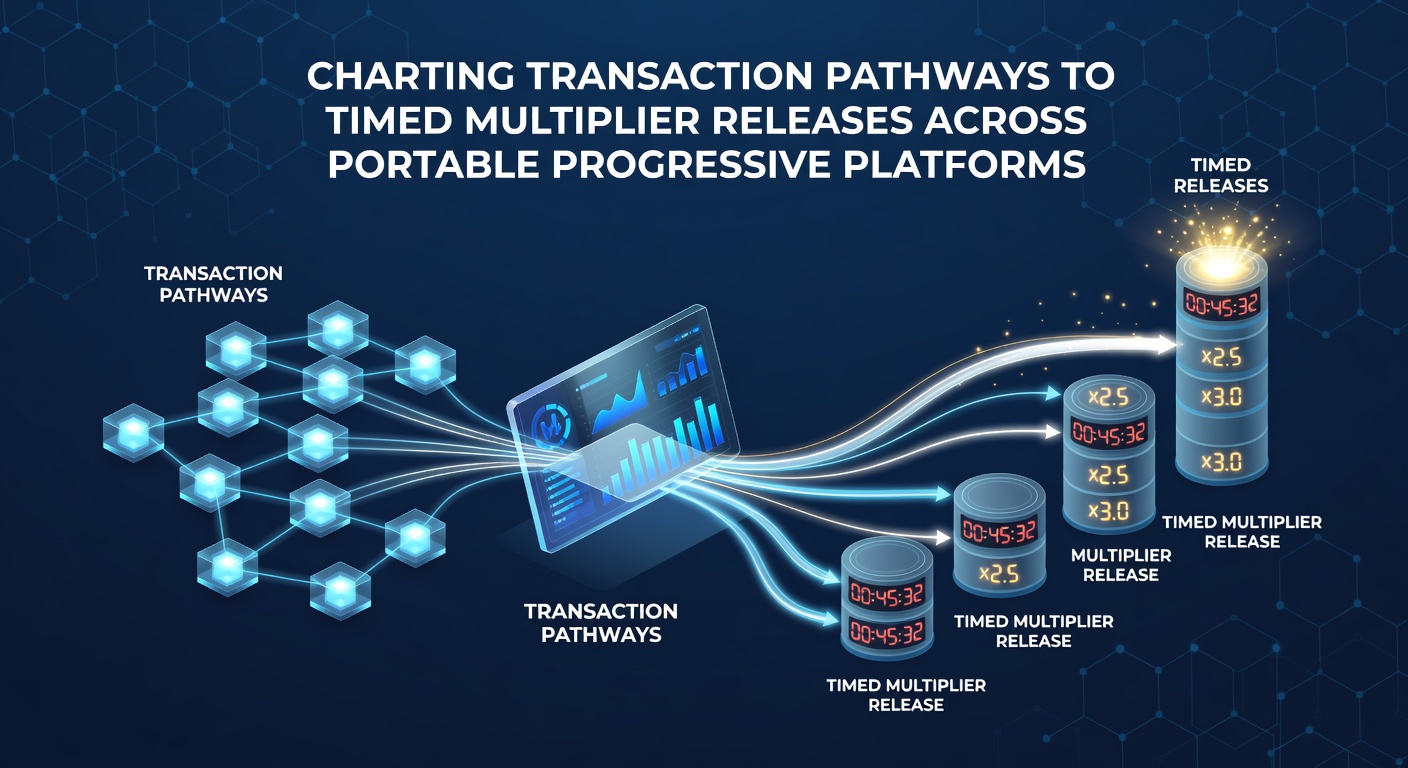
Security layers add checkpoints along these pathways where fraud detection algorithms scan for irregular patterns, and when anomalies appear the system pauses multiplier releases until manual review clears the transaction. Figures from regulatory reports compiled in May 2026 reveal that such pauses affect fewer than 2 percent of mobile progressive sessions, yet they remain critical for maintaining trust across international player pools operating on different time zones.
Role of Timing Protocols in Progressive Systems
Timed multipliers function through server-side clocks that reference the moment a qualifying transaction completes, and this reference point allows platforms to deliver consistent experiences regardless of device location. Studies conducted by the University of Nevada, Las Vegas gaming research division found that aligning multiplier releases with deposit peaks increases overall progressive pool growth rates by measurable margins, particularly when players fund accounts during evening hours across multiple regions.
Platform developers incorporate fallback mechanisms that recalculate timing if a transaction pathway encounters congestion, and these mechanisms prevent multipliers from missing their windows entirely. Data collected through 2026 shows that European markets using standardized payment rails experience fewer recalculations than markets relying on varied third-party processors, highlighting how infrastructure choices shape pathway reliability.
Regional Variations in Pathway Efficiency
Australian operators have adopted unified banking APIs that streamline transaction flow into progressive platforms, resulting in tighter synchronization between deposits and multiplier schedules according to reports from the Australian Communications and Media Authority. Meanwhile Canadian provincial regulators have tested hybrid models that combine traditional banking with digital wallet options, and preliminary results suggest these models reduce average pathway latency by several seconds per transaction.
Cross-border players encounter additional routing steps because currency conversion occurs mid-pathway, and conversion delays occasionally push multiplier releases beyond their intended windows. Industry organizations such as the European Gaming and Betting Association have documented these effects and recommended standardized timestamp protocols to minimize discrepancies.
Conclusion
Transaction pathways to timed multiplier releases across portable progressive platforms continue evolving through improved synchronization standards and regional infrastructure upgrades, and these developments ensure that funding actions translate into predictable multiplier opportunities on mobile devices. Observers tracking platform performance note that consistent pathway mapping supports both player retention and jackpot pool stability when timing protocols account for network and device variables alike.