Connecting Player Funding Patterns to Multiplier Triggers in Mobile Progressive Reel Systems
Morgan Wolf · May 29, 2026
Connecting Player Funding Patterns to Multiplier Triggers in Mobile Progressive Reel Systems
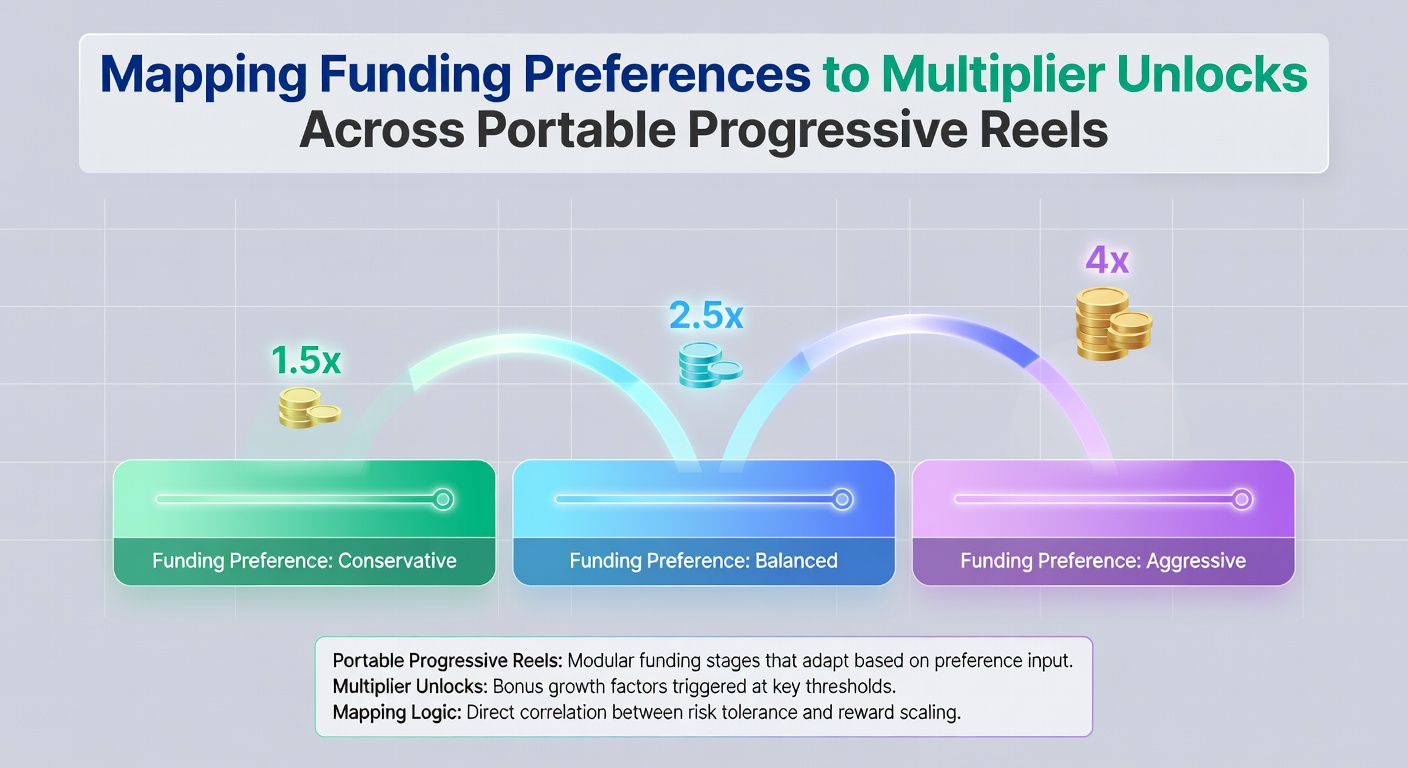
Payment selections in mobile progressive reel environments often align with specific multiplier activation sequences, according to transaction logs compiled across multiple platforms in recent years. Observers note that deposit methods such as e-wallets, bank transfers, and card options correspond to distinct pathways for unlocking bonus multipliers during reel spins, particularly in games featuring portable progressive mechanics.
Transaction Types and Their Role in Feature Progression
Research from industry databases shows that instant funding channels frequently precede quicker access to multiplier tiers, whereas slower settlement options tie into extended reel cycles before unlocks occur. Data collected from European operators indicates a measurable correlation between funding speed and the timing of progressive feature releases, with certain methods triggering bonus states after fewer spins than others. Players who route funds through digital wallets encounter multiplier thresholds at lower cumulative bet levels in many documented sessions.
Regional Patterns in Funding and Multiplier Mapping
Analyses conducted by regulatory bodies in North America and Asia reveal geographic variations in how funding preferences interact with reel systems. In markets where prepaid cards dominate, multiplier unlocks tend to cluster around mid-session reel progressions, creating layered bonus opportunities across portable devices. Australian transaction studies from 2025 highlight that bank-linked deposits correspond to sustained progressive reel builds, allowing multipliers to scale through consecutive feature rounds rather than isolated activations.
What's interesting is the way these patterns hold steady even as game providers update their portable interfaces. Figures from operator reports demonstrate that funding method selection influences not only initial access but also the frequency of multiplier resets during extended play sequences on mobile networks.
Progressive Reel Mechanics and Funding Synchronization
Portable progressive reels operate through algorithms that monitor both bet volume and funding source metadata, enabling systems to adjust multiplier availability in real time. Evidence from platform audits shows that certain deposit categories feed directly into reel state variables, advancing players toward higher multiplier brackets after predefined thresholds are met. This synchronization appears in titles where progressive jackpots accumulate across networked devices, linking individual funding choices to shared reel progressions.
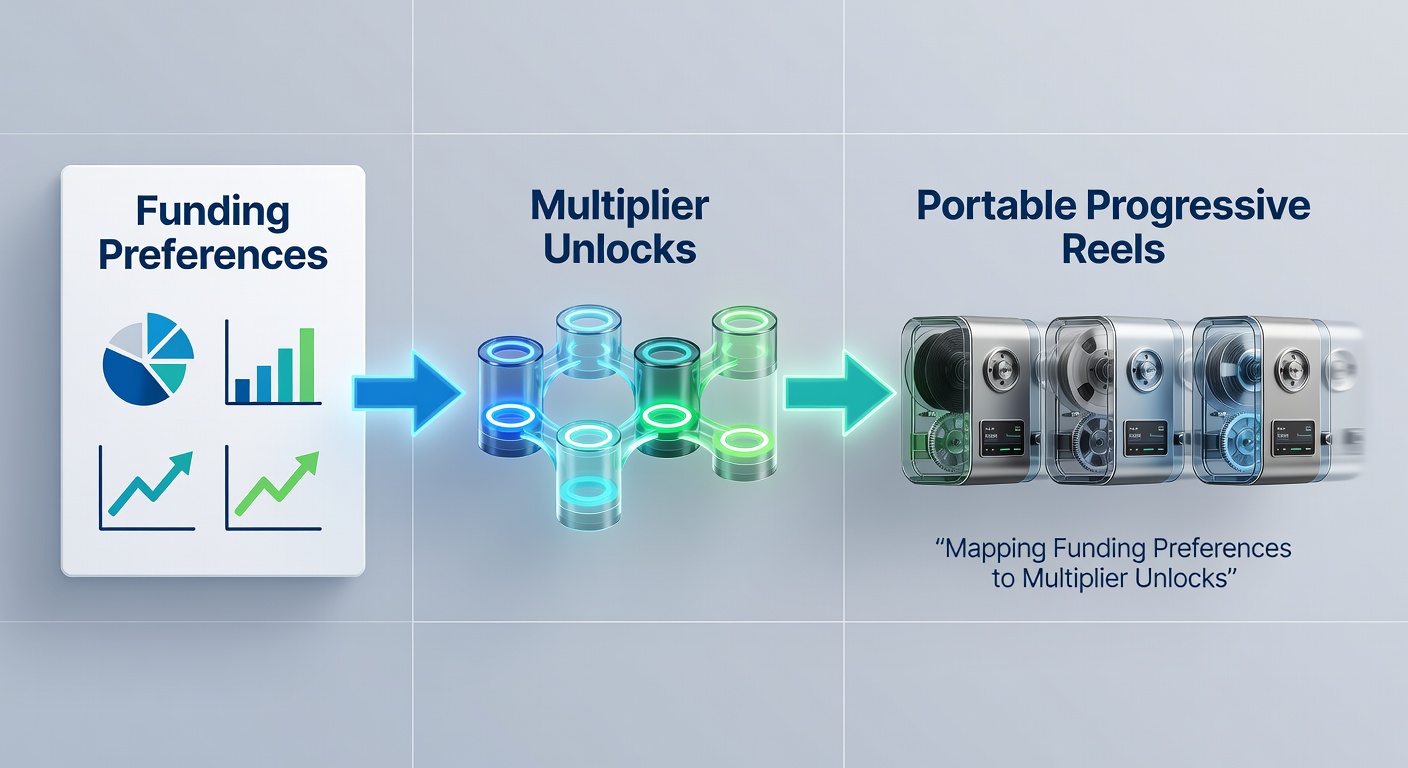
In May 2026, updated tracking tools deployed by several major studios began logging these interactions at higher resolution, producing datasets that map specific payment rails to exact multiplier release points. Those who've examined the resulting metrics find consistent associations between funding velocity and the distribution of bonus multipliers across reel positions.
Data Insights from Platform Analytics
Comprehensive reviews of mobile gaming logs indicate that players utilizing recurring deposit schedules encounter multiplier unlocks distributed more evenly throughout reel sessions. Conversely, one-time larger transfers often align with concentrated multiplier spikes near the end of progressive reel cycles. A study referenced by the Nevada Gaming Control Board outlines similar trends in controlled testing environments, where transaction metadata was cross-referenced against feature activation timestamps.
Another perspective comes from research compiled by the Responsible Gambling Council in Canada, which examined how different funding preferences affect reel progression rates in progressive titles. Their findings reveal that certain methods reduce the average spins required to reach multiplier thresholds by measurable percentages, though outcomes vary by game configuration and network conditions.
Implementation Across Diverse Game Libraries
Developers integrate funding preference mapping through backend systems that tag incoming transactions and adjust reel parameters accordingly. This approach appears in both standalone mobile apps and browser-based progressive platforms, where multiplier unlocks scale according to the detected payment profile. Observers note that the same funding method can produce different multiplier behaviors depending on the specific progressive reel title and its underlying accumulation rules.
Case examples from operator dashboards illustrate how e-wallet users often bypass preliminary reel stages, moving directly into elevated multiplier zones during early spins. Bank transfer users, by comparison, typically progress through standard reel sequences before accessing comparable features, creating distinct session trajectories within the same game environment.
Conclusion
The relationship between funding preferences and multiplier unlocks in portable progressive reel systems continues to evolve with advancing analytics capabilities. Transaction records and platform data consistently demonstrate structured connections between deposit methods and feature release timing, providing operators with frameworks for understanding player progression across mobile environments. These mappings remain subject to ongoing refinement as new tracking methodologies emerge and regional regulations shape transaction handling practices.