Digital Transaction Advances Reshaping Sequential Reward Triggers in Mobile Gaming Systems
Rafael Wolf · Jun 28, 2026
Digital Transaction Advances Reshaping Sequential Reward Triggers in Mobile Gaming Systems
Payment technologies continue to evolve rapidly across portable gaming platforms and they now directly shape how sequential bonus mechanics activate during player sessions. Data from industry reports indicate that faster verification processes allow developers to time reward releases with greater precision while transaction confirmations serve as reliable markers for unlocking layered features in real time.
Payment Speed and Feature Sequencing
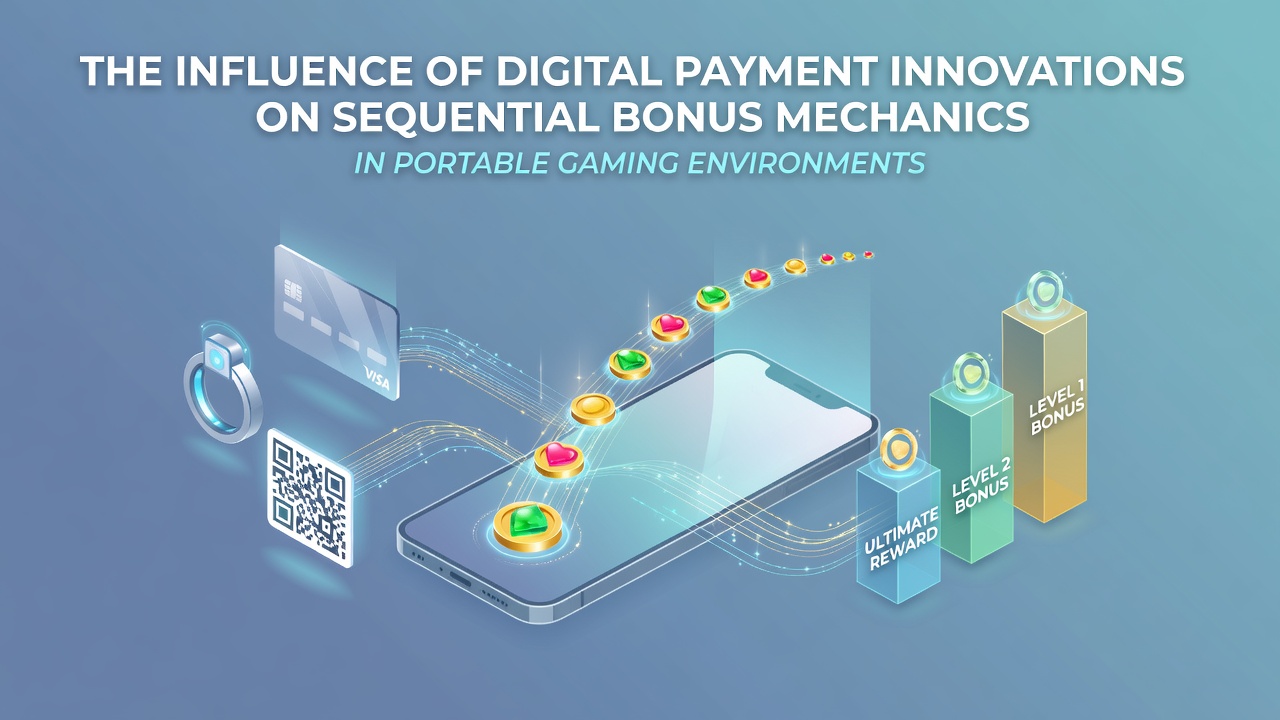
Instant deposit methods such as digital wallets and bank transfers have shortened the gap between funding an account and accessing the first tier of bonuses and this change forces game designers to align reel mechanics with payment completion events. Research from the Canadian Gaming Association shows that platforms using near-instant processing report higher rates of sequential bonus engagement because players move from deposit to feature activation without delays that once broke momentum in mobile environments.
Observers note that when a transaction clears in under ten seconds developers program the system to release an initial multiplier or free spin package immediately and subsequent actions like continued play then trigger the next layer automatically. This creates a chain where each verified payment step feeds directly into the following reward window rather than relying on separate timers or manual claims.
Verification Protocols Driving Dynamic Access
Enhanced security layers in payment gateways now integrate with game servers to confirm identity and funds in one seamless flow and this integration lets platforms adjust bonus sequences based on transaction patterns. According to figures released by the Nevada Gaming Control Board in June 2026 mobile progressive titles that link payment verification to feature rollouts saw a measurable uptick in player retention across tested markets.
Those who study these systems explain that a successful deposit can unlock a base bonus while the same transaction record simultaneously schedules a follow-up multiplier that activates after a set number of spins or a specific reel outcome. The result is a tighter connection between funding behavior and the timing of rewards that keeps sequences feeling responsive rather than predetermined.
Regional Data on Transaction Patterns
Reports compiled by the Australian Communications and Media Authority highlight how players in that region favor methods with built-in spending controls and these preferences influence how operators structure sequential bonuses. Games built for Australian users often tie the second and third bonus tiers to cumulative deposit amounts verified through the same payment channel which creates natural progression points without additional prompts.
European data collected by the Malta Gaming Authority reveals similar trends where cross-border payment solutions allow consistent sequencing across different currencies and this consistency supports longer play sessions because users encounter fewer interruptions when moving between funding stages and feature triggers.
Developer Adaptations and Platform Responses
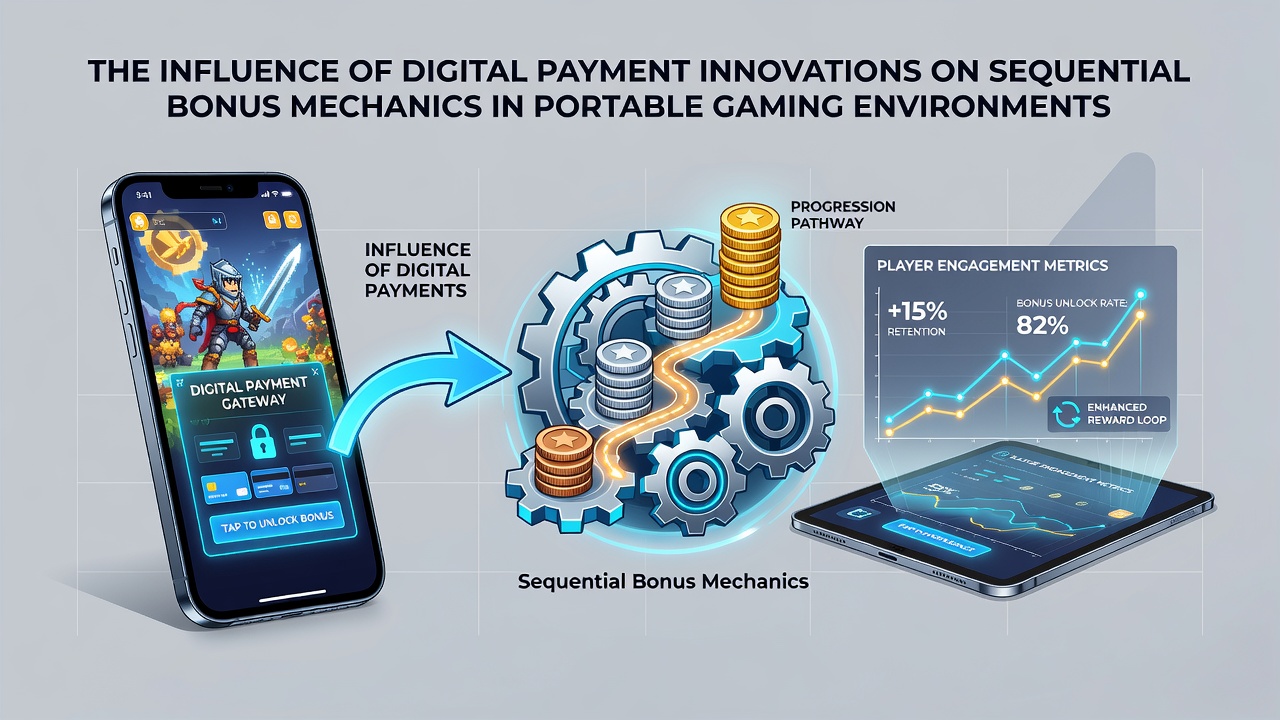
Game studios have started embedding payment status checks directly into their bonus logic so that a confirmed transaction can alter reel probabilities or extend feature durations on the fly. Academic papers from the University of Nevada Reno gaming research group describe how this approach reduces the need for separate bonus collection steps and instead lets the sequence unfold automatically once the payment record updates the player profile.
One documented case involved a progressive title that released its first bonus layer upon deposit confirmation and then used the same transaction identifier to schedule a second layer that triggered only after the player reached a predefined coin total. The design relied on payment data as the primary sequencing signal rather than random number generator events alone.
Future Integration Trends
Industry forecasts suggest continued refinement of these connections as more platforms adopt open banking protocols and embedded finance tools. These advancements allow even finer control over when each sequential element activates and they give operators the ability to match bonus windows to specific funding cycles without manual intervention.
Conclusion
Digital payment innovations have become central to how sequential bonus mechanics operate in portable gaming environments and the data released through June 2026 continues to demonstrate measurable effects on feature timing and player progression. As verification speeds increase and integration deepens the relationship between transactions and reward sequences will likely grow more sophisticated while remaining grounded in verifiable payment events across global markets.