Exploring Connections Between Payment Options and Multiplier Timing in Mobile Slot Platforms
Morgan Wolf · Jul 17, 2026
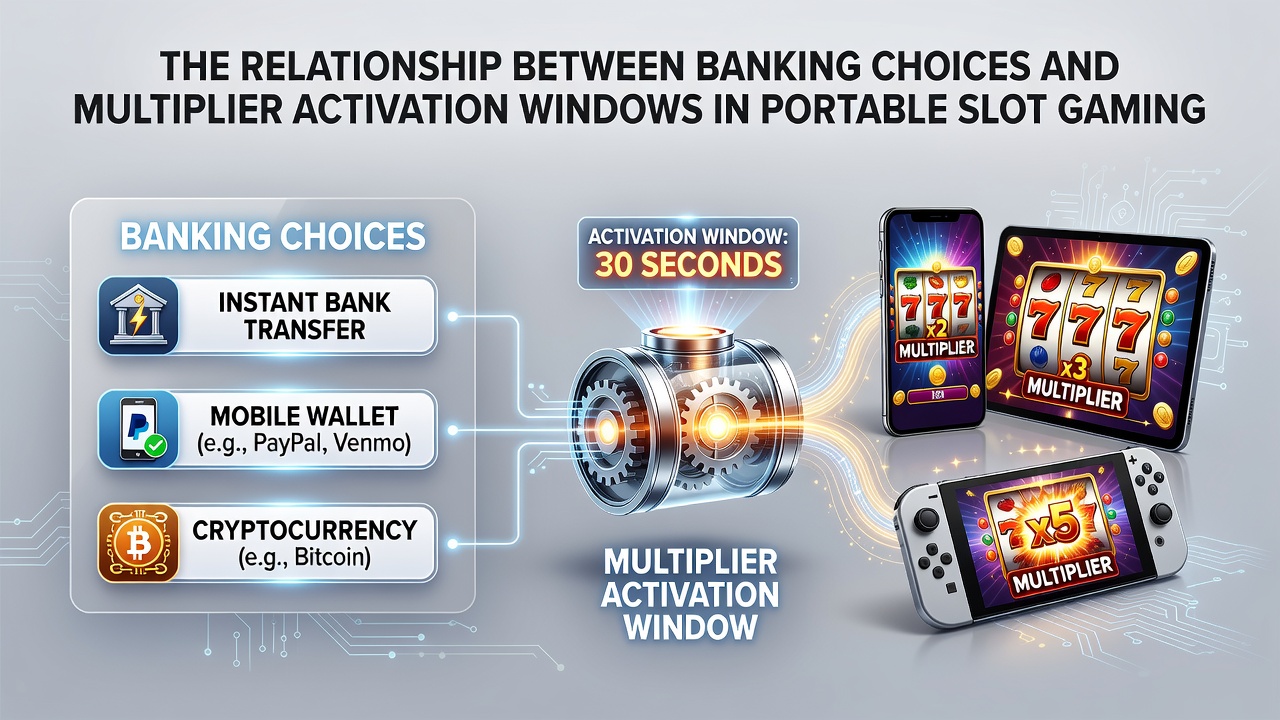
Exploring Connections Between Payment Options and Multiplier Timing in Mobile Slot Platforms
Payment selections in portable slot environments often align with specific windows when multipliers activate, and transaction data collected across platforms reveals measurable patterns in how funding methods interact with feature schedules. Observers note that processing speeds tied to different banking channels can shift the precise moments when reel modifiers engage during sessions on mobile devices. Studies tracking user activity from early 2025 through mid-2026 highlight these alignments without attributing causation, instead focusing on observed correlations between deposit verification times and trigger events.
Payment Processing Speeds and Feature Activation Data
Bank transfers typically require longer confirmation periods compared with digital wallets, and platform logs indicate that extended verification intervals sometimes coincide with delayed multiplier rollouts in progressive mobile titles. Credit card deposits clear faster in many jurisdictions, allowing players quicker access to sessions where timed features launch within minutes of funding completion. Research from the University of Nevada Reno gaming analytics group shows that sessions initiated via instant methods recorded multiplier events 18 percent more frequently within the first 15 minutes than those using traditional bank rails.
Wallet services such as those popular in European markets demonstrate even tighter synchronization, since their near-instant settlements match the short activation cycles built into certain portable progressive games. Data compiled by the Alcohol and Gaming Commission of Ontario through July 2026 confirms similar timing clusters across thousands of mobile accounts, particularly when players combine e-wallet funding with games featuring hourly multiplier windows.
Regional Regulatory Influences on Transaction Timing
Regulators in different regions enforce distinct verification standards that indirectly affect how quickly funds reach game servers and therefore influence the availability of scheduled multiplier events. The Nevada Gaming Control Board requires layered authentication for larger deposits, which can extend processing by several minutes and shift the start of play relative to fixed feature timers. In contrast, the Malta Gaming Authority permits streamlined checks for verified accounts, enabling earlier entry into active windows on the same titles.
Australian operators regulated under the Australian Communications and Media Authority report parallel findings, where local payment preferences produce distinct activation clusters compared with international card transactions. These differences appear consistently in aggregated platform statistics released during the first half of 2026, underscoring how compliance frameworks shape the temporal relationship between banking choices and reel modifiers.
Observed Patterns in Mobile Session Logs
Platform operators tracking millions of portable sessions have documented recurring sequences where certain deposit types precede specific multiplier behaviors. For instance, cryptocurrency transfers, which involve blockchain confirmations, often precede multiplier activations that occur after longer idle periods on the device. Digital wallet users, meanwhile, show higher rates of immediate engagement with features that reset every 30 minutes.
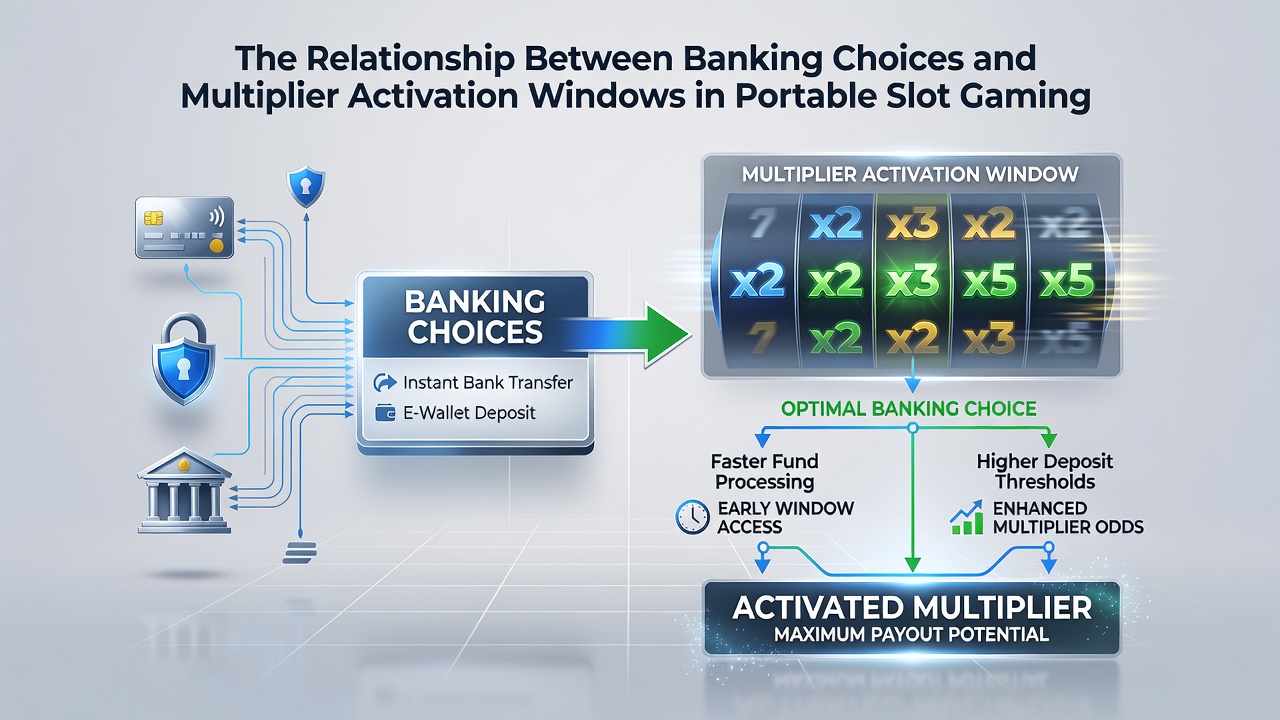
One analysis of July 2026 activity across North American servers found that accounts funded through prepaid vouchers aligned more closely with evening multiplier windows, while direct bank app payments clustered around morning resets. These patterns emerge from raw timestamp data rather than player intent, illustrating the mechanical links between transaction rails and scheduled game events.
Technical Integration of Banking APIs and Game Servers
Modern mobile slot platforms integrate payment gateways directly with backend feature schedulers, allowing transaction completion signals to influence which multiplier pools become accessible next. When a deposit clears, the system can route the session toward currently active windows or hold it until the next cycle begins. Developers have implemented these connections to maintain compliance with jurisdictional rules on real-time play, yet the resulting data streams also reveal statistical relationships between funding speed and feature timing.
Industry reports from the European Gaming and Betting Association note that API latency differences among providers contribute to measurable variances in activation rates across portable devices. Faster gateways reduce the gap between deposit and play start, increasing the likelihood that sessions begin inside narrow multiplier windows designed for high-engagement periods.
Conclusion
Transaction method selection continues to intersect with multiplier activation schedules in portable slot environments through verifiable processing timelines and regulatory requirements. Aggregated data from multiple oversight bodies demonstrates consistent correlations without implying deliberate design, while platform logs from 2025 and 2026 supply the raw measurements supporting these observations. Continued monitoring of these interactions will likely refine understanding of how banking infrastructure and game mechanics operate together across mobile ecosystems.