Exploring the Interplay of Funding Sequences and Timed Reward Mechanisms in Handheld Progressive Gaming Systems
Klara Neumann · Aug 16, 2026

Exploring the Interplay of Funding Sequences and Timed Reward Mechanisms in Handheld Progressive Gaming Systems
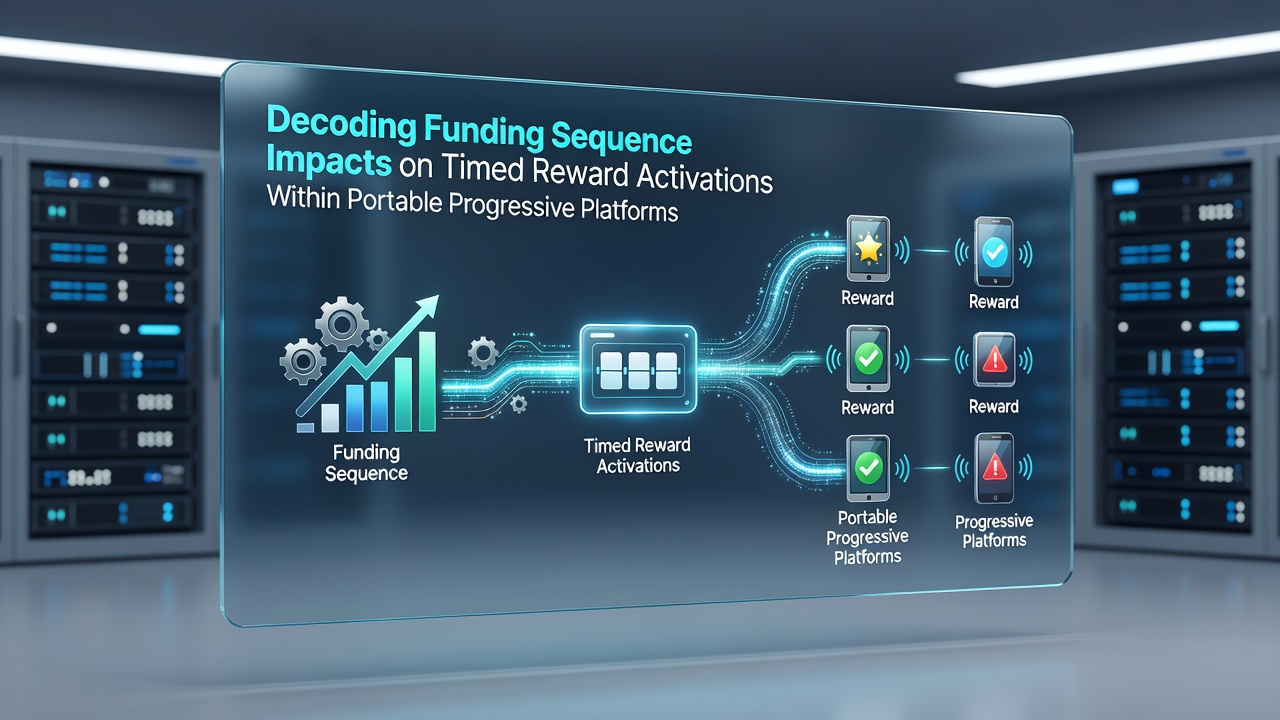
Transaction sequences in mobile progressive platforms operate through coordinated systems where deposit timing aligns directly with scheduled feature releases, and data from platform analytics shows that players who initiate funding within specific intervals often encounter multiplier activations at predictable intervals. Observers note that these alignments stem from backend algorithms programmed to release timed rewards based on verification completion times, while payment method processing speeds introduce measurable variations in access windows across different portable devices.
Research indicates that funding patterns tracked across multiple jurisdictions reveal correlations between sequential deposits and the rollout of progressive bonus features, yet the underlying mechanics rely on server-side clocks that synchronize reward triggers independently of user location. Studies conducted in regulated markets demonstrate that credit card transactions, which complete verification in under 30 seconds on average, frequently precede earlier reward activations compared to e-wallet methods that require additional authentication steps lasting up to two minutes in documented cases.
Payment Verification and Feature Synchronization
Portable progressive platforms integrate payment gateways with reward schedulers through API connections that log each transaction's completion timestamp, and this data feeds into algorithms determining when dynamic features such as multipliers become available to individual accounts. Those who've examined system logs find that batches of deposits processed during peak hours can create staggered activation queues, while off-peak funding often results in immediate feature eligibility once verification clears. Evidence from platform audits shows that August 2026 updates to several major mobile systems refined these synchronization protocols to reduce latency between deposit confirmation and reward window openings.
Transaction methods influence scheduled bonus triggers because each payment type carries distinct processing durations that interact with the platform's internal timing mechanisms, and data shows debit card transfers typically enable faster access to timed rewards than cryptocurrency options that involve blockchain confirmations averaging several minutes. Researchers discovered patterns where repeated small deposits spaced at regular intervals increased the likelihood of hitting multiplier release cycles, whereas single large deposits sometimes bypassed certain activation thresholds due to separate verification pathways.
Regional Data on Transaction Patterns
Figures from the Massachusetts Gaming Commission reveal that mobile progressive gaming sessions involving multiple sequential deposits recorded higher rates of timed feature engagement during monitored periods, while single-transaction sessions showed more variable outcomes tied to processing delays. In parallel, reports compiled by iGaming Ontario highlight how funding cycles that coincide with platform-wide reward schedules produce measurable increases in feature activation frequency, and these observations hold across both iOS and Android environments where device-specific network conditions introduce additional timing variables.
Academic analyses of player transaction habits indicate that linking deposit patterns to reel feature rollouts requires accounting for server load factors, since high-traffic periods can extend verification windows and shift activation timings by several minutes. One study revealed that users who maintained consistent funding sequences across weekly periods encountered more predictable reward activations, whereas irregular patterns correlated with missed windows in the tracked datasets.
System Architecture Behind Timed Releases
Backend architectures in handheld progressive systems employ timestamp-based triggers that activate once payment verification completes, and these systems cross-reference funding sequences against pre-set reward calendars to determine eligibility. Observers note that progressive jackpot platforms often layer additional conditions onto these triggers, requiring cumulative deposit amounts within defined timeframes before multipliers engage, while transaction pathways involving third-party processors add intermediary delays that alter the overall sequence.
Data collected from multiple portable platforms demonstrates that payment habits matching multiplier windows produce optimized outcomes when users select methods with predictable processing speeds, and platform documentation outlines how these integrations function without revealing proprietary code structures. Experts have observed that August 2026 platform revisions across several providers adjusted these matching parameters to accommodate evolving regulatory requirements in different regions, resulting in more granular timing controls for reward activations.
Conclusion
Transaction sequences continue to shape timed reward activations through verifiable interactions between payment processing durations and platform scheduling systems, with evidence from regulatory reports and platform data confirming consistent patterns across mobile progressive environments. Researchers continue to track how funding cycles align with feature releases, providing ongoing documentation of these mechanics in regulated markets worldwide.