Exploring Transaction Preferences and Retention Patterns in Mobile Jackpot Applications
Klara Neumann · Jul 12, 2026
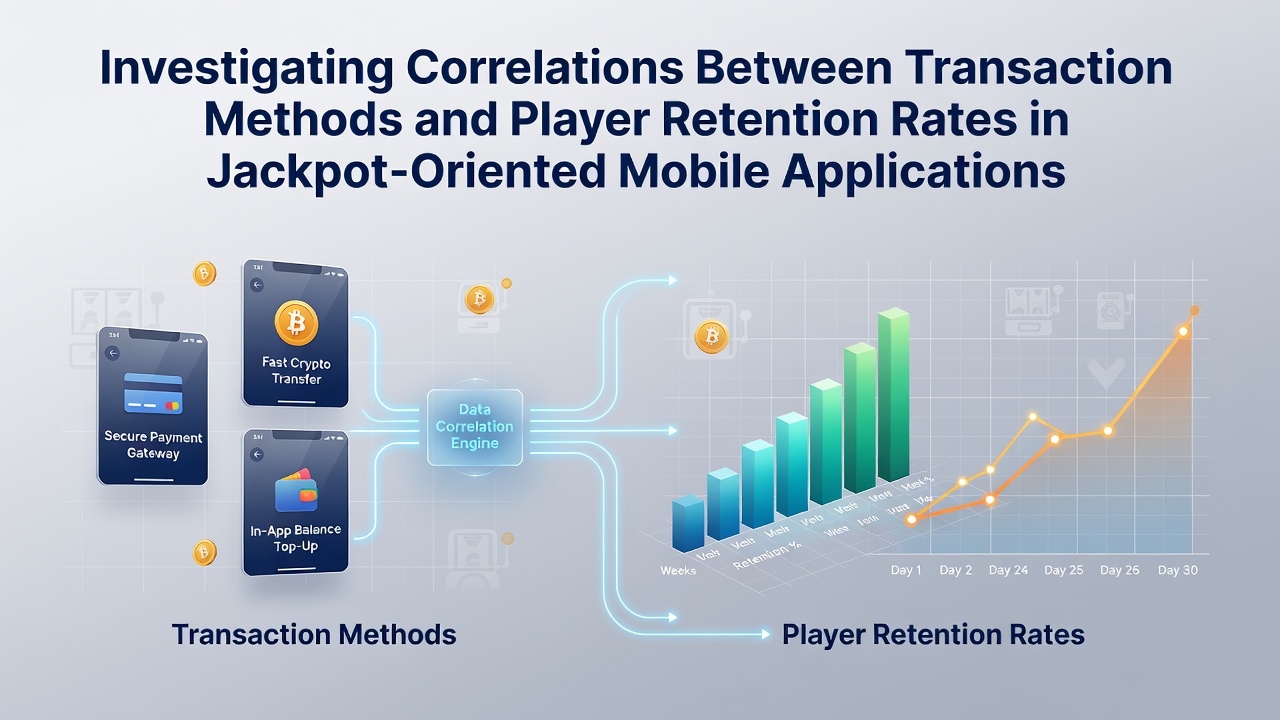
Exploring Transaction Preferences and Retention Patterns in Mobile Jackpot Applications
Payment methods in jackpot-oriented mobile applications range from traditional credit cards and bank transfers to digital wallets and emerging cryptocurrencies, each carrying distinct processing times and verification requirements that shape how players interact with these platforms over extended periods. Researchers tracking user behavior across multiple markets have noted measurable differences in how these options align with continued engagement levels, particularly in environments where progressive jackpots drive session frequency.
Common Transaction Methods in Mobile Jackpot Platforms
Players typically select from several categories when funding accounts, including debit and credit cards that offer immediate processing but sometimes trigger additional security checks, e-wallets such as PayPal or Skrill that streamline repeat deposits through stored credentials, and bank transfers favored for larger amounts despite longer settlement windows. Cryptocurrency options have gained traction in certain regions since their integration expanded in 2024, providing pseudonymous transactions that appeal to users seeking privacy while introducing volatility in conversion rates at the point of deposit.
Data compiled through platform analytics shows that e-wallet users often complete deposits within seconds, whereas bank wire methods can extend to several business days before funds become available for play. This timing difference influences how quickly players can pursue jackpot triggers during promotional windows, a factor highlighted in reports from the Ontario Lottery and Gaming Corporation that examined funding patterns across regulated mobile offerings in 2025.
Measuring Retention Rates Across User Segments
Retention metrics in these applications focus on metrics like 30-day return rates, average session intervals, and lifetime deposit frequency, all tracked through anonymized player identifiers that allow segmentation by initial transaction choice. Analysts at research institutions have mapped these indicators against payment types to identify whether certain methods correlate with higher stickiness, especially among users chasing accumulating jackpots that reset or grow based on network-wide activity.
One study released in July 2026 by the Australian Gambling Research Centre examined cohorts of mobile progressive slot participants and found that accounts funded primarily through digital wallets maintained higher repeat login rates compared to those relying on card transactions alone, though the gap narrowed when platforms introduced instant verification for card users. Figures revealed that crypto-funded accounts showed elevated volatility in retention, with some segments dropping off after initial jackpot pursuits while others extended play cycles due to lower perceived fees on subsequent transfers.
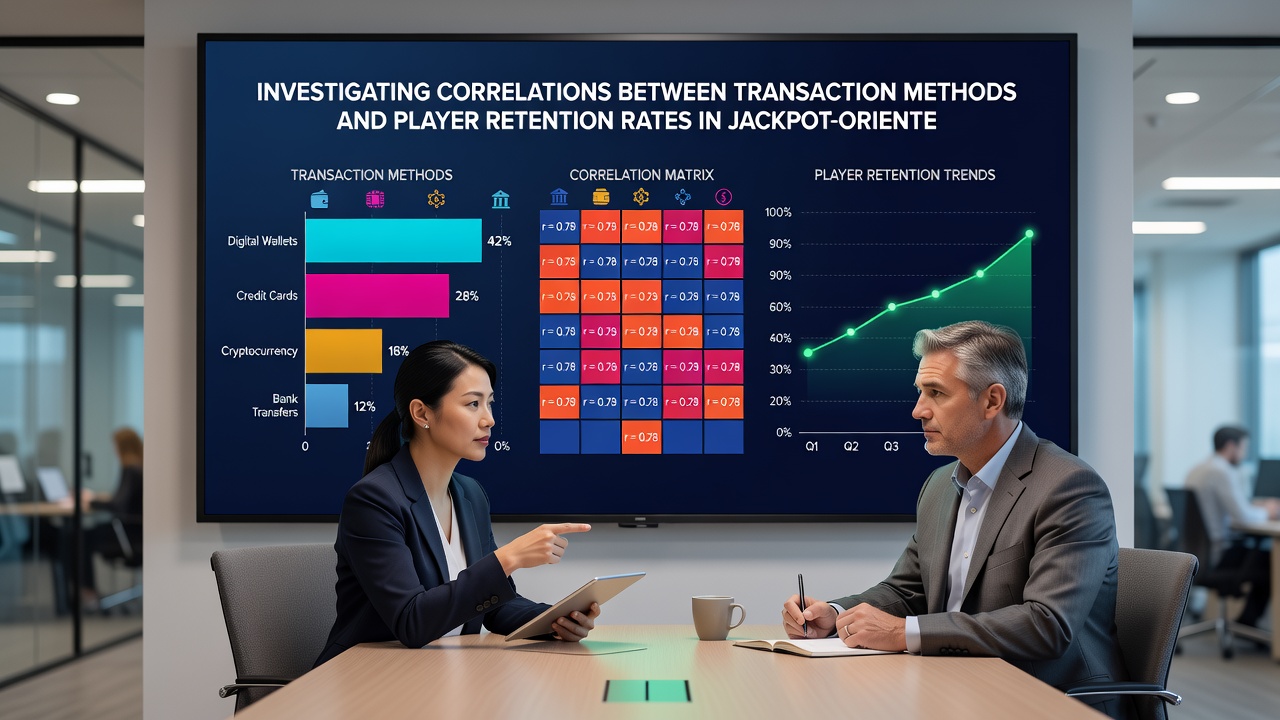
Observed Correlations in Platform Data
Patterns emerge when retention data intersects with transaction logs, revealing that faster funding methods tend to support more consistent engagement loops in jackpot-focused titles where timing matters for entering high-stakes rounds. Observers note that users who combine e-wallets with scheduled bonus activations often sustain longer active periods, whereas those dependent on slower bank methods may experience interruptions that reduce overall return frequency.
Evidence from industry tracking services indicates that platforms offering multiple verification layers for card deposits see retention dips among new users who encounter delays, while integrated wallet solutions mitigate this by allowing seamless top-ups during active sessions. A report from the Malta Gaming Authority, covering European mobile operators through early 2026, documented similar trends where cryptocurrency adopters displayed segmented retention curves, with high-volume players maintaining activity longer than casual participants who cited conversion complexities as a factor in reduced play.
What's interesting emerges in cross-regional comparisons, where North American operators report stronger ties between instant payment options and jackpot-specific retention spikes during peak promotional months, contrasting with slower adoption curves observed in markets emphasizing traditional banking rails.
Factors Influencing the Relationship
Several variables mediate these connections, including regional regulatory frameworks that dictate available methods, platform incentives tied to deposit speed, and player demographics that favor certain transaction preferences. Those who've examined large datasets point to verification speed as a recurring element, since prolonged approval processes can interrupt momentum built around accumulating jackpots and lead to session abandonment.
Additional elements include fee structures that vary by method, with some e-wallets absorbing costs to encourage volume while crypto options shift expenses to network conditions. Research indicates that players who encounter unexpected fees during high-stakes chases show measurable declines in subsequent activity, regardless of the underlying payment channel. Geographic differences also surface, as Canadian provincial data highlights preferences for Interac-based transfers that balance speed and familiarity, yielding steadier retention compared to international card usage in the same applications.
Conclusion
Investigations into these correlations continue to refine understanding of how transaction infrastructure supports sustained participation in mobile jackpot environments, with ongoing data collection from operators and regulatory bodies providing fresh datasets each quarter. Patterns identified through segmented analysis underscore the interplay between funding accessibility and long-term user metrics, informing platform adjustments that align payment flows with engagement objectives across diverse markets.