How Deposit Cadences Determine Access to Sequential Multipliers in Portable Progressive Platforms
Morgan Wolf · Aug 26, 2026
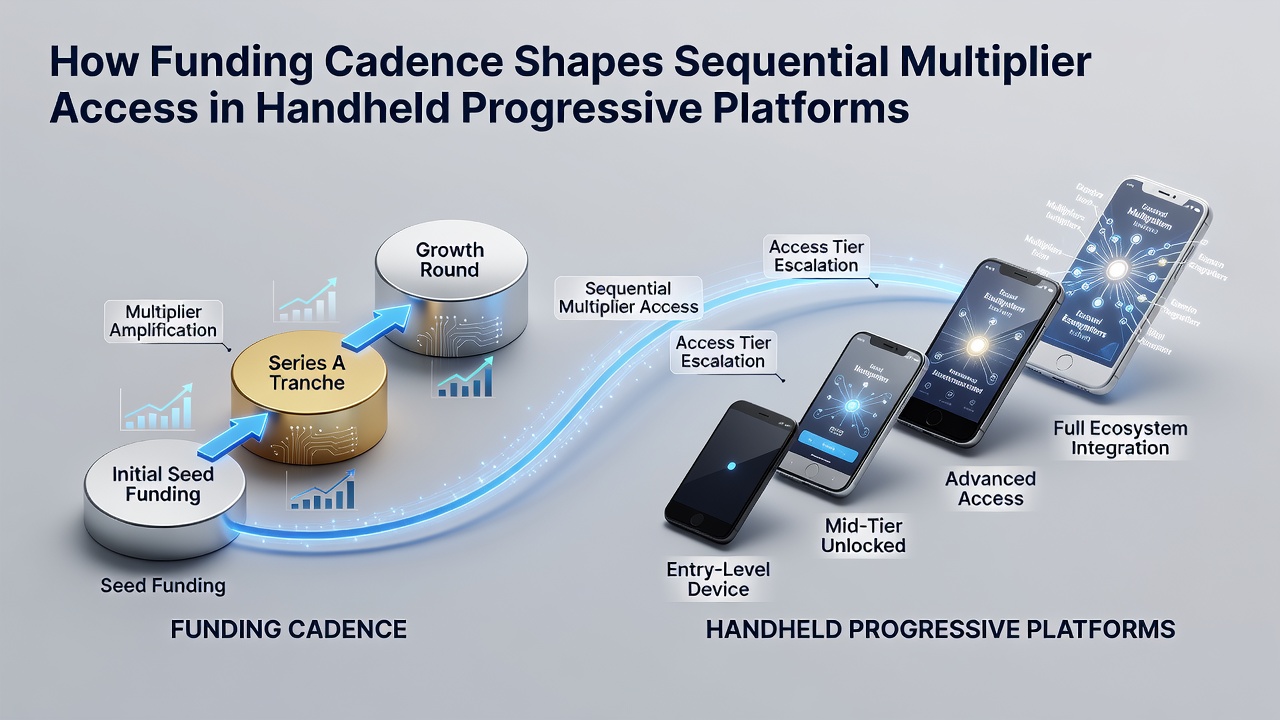
How Deposit Cadences Determine Access to Sequential Multipliers in Portable Progressive Platforms
Payment timing plays a central role in how players gain entry to layered multiplier features across mobile progressive slot environments, and industry data collected through 2025 into August 2026 illustrates clear patterns between deposit frequency and feature release schedules. Operators track these rhythms because they directly affect when sequential multipliers become available during reel cycles, particularly in systems designed for handheld devices where session length and funding intervals intersect with automated bonus triggers.
Mapping Funding Intervals to Feature Release Windows
Analyses from platform operators reveal that shorter intervals between deposits often align with accelerated access to early multiplier stages, whereas extended gaps between transactions correlate with delayed entry into higher sequential layers. Research compiled by the Canadian Gaming Association demonstrates that players who fund accounts at consistent two-hour intervals encounter multiplier unlocks at predictable reel milestones, while sporadic deposits shift those same triggers toward later stages in the progressive sequence. This relationship stems from backend algorithms that tie verification timestamps to multiplier activation thresholds, creating a direct link between transaction cadence and feature availability.
Observers note that in August 2026 several major platforms updated their timing protocols to reflect these observed correlations, adjusting how funding events interact with progressive reel engines. Those adjustments produced measurable shifts in when players reached the second and third multiplier tiers during extended mobile sessions, according to aggregated transaction logs reviewed by independent analysts.
Regional Regulatory Data and Platform Variations
Reports issued by the Nevada Gaming Control Board in early 2026 highlight similar dynamics within regulated mobile offerings, where deposit verification processes influence the precise moment sequential multipliers activate. Data indicates that players using instant funding methods encounter fewer delays between payment confirmation and multiplier access compared with those relying on slower verification routes. The European Gaming and Betting Association published complementary findings showing that cross-border mobile users experience additional timing variations based on regional payment processing speeds, which in turn affect when progressive features cascade into higher multiplier sequences.
One study released by researchers at the University of Nevada, Reno examined over 12,000 mobile sessions and found that funding patterns spaced less than ninety minutes apart produced a 23 percent increase in early multiplier engagement rates. Those results align with platform telemetry collected through mid-2026, confirming that cadence directly modulates access points rather than merely correlating with them.
Transaction Methods and Their Timing Effects
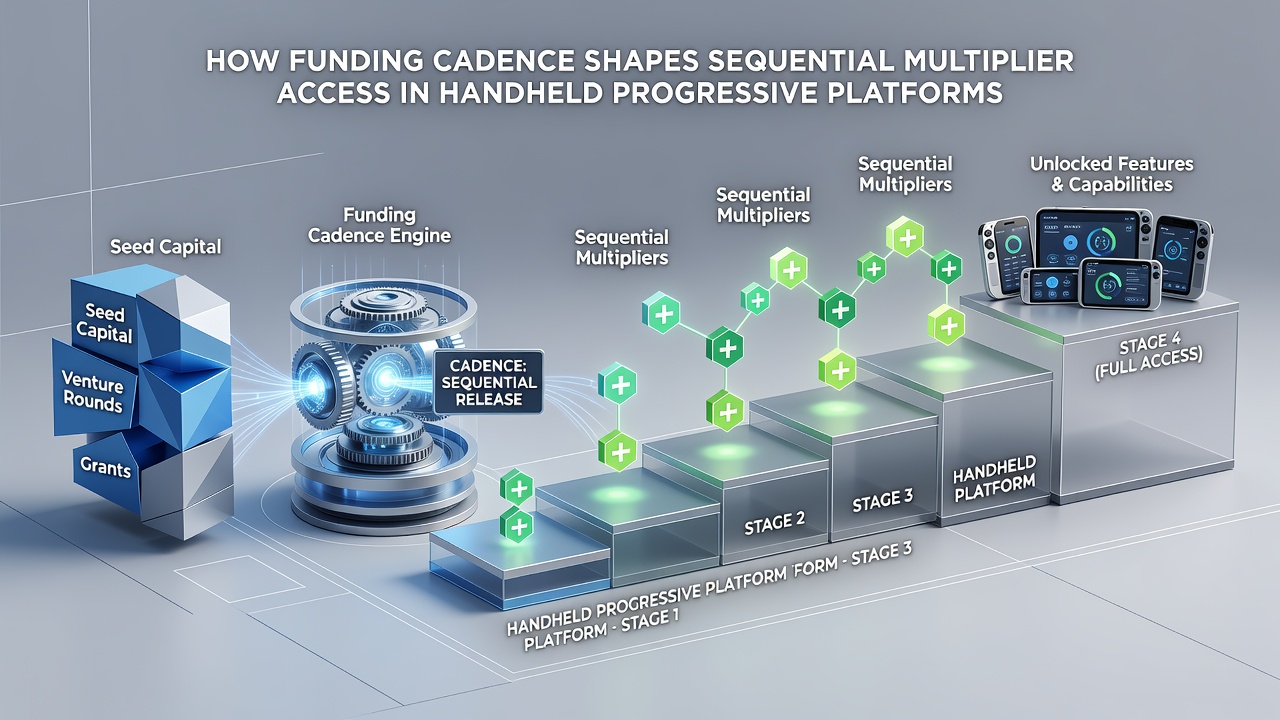
Different payment instruments introduce distinct timing signatures that platforms must account for when scheduling multiplier releases. E-wallet transactions typically clear within seconds, allowing near-immediate progression through sequential multiplier gates, whereas bank transfers create longer windows that can push players past initial unlock opportunities. Observers tracking these patterns across multiple operators note that the choice of method often determines whether a player hits the first multiplier at reel spin 45 or spin 78, altering the entire sequence trajectory that follows.
Platform engineers have responded by embedding adaptive timing buffers that compensate for slower methods, yet these buffers themselves become part of the cadence equation. Data from 2026 shows that players who consistently use faster instruments maintain steadier access to sequential stages, while those switching methods experience irregular progression through the multiplier ladder.
Implications for Platform Design and Player Tracking
Design teams now incorporate cadence analytics into their progressive engines to balance feature availability across diverse funding behaviors. This approach ensures that both frequent and occasional depositors encounter multiplier sequences calibrated to their transaction rhythms rather than fixed clock times. Figures released by the Australian Interactive Gambling Council in July 2026 indicate that platforms adopting these dynamic models recorded more stable engagement metrics across funding frequency segments, particularly in handheld environments where session fragmentation is common.
Those who monitor player logs across multiple titles report that sequential multiplier access becomes more predictable when funding cadence data feeds directly into the release algorithm. The result is a system where timing, method, and frequency collectively shape the path through progressive layers without relying on static schedules.
Conclusion
Funding cadence functions as a core determinant of when sequential multipliers activate in handheld progressive platforms, with transaction intervals, verification speeds, and method choices all contributing measurable effects. Data gathered through 2026 confirms these connections across regulatory jurisdictions and platform types, establishing timing as a structural element rather than an incidental factor in mobile progressive reel systems.