Integrating Payment Verifications with Dynamic Feature Access in Mobile Progressive Gaming Environments
Cameron Simmons · Jun 5, 2026
Integrating Payment Verifications with Dynamic Feature Access in Mobile Progressive Gaming Environments
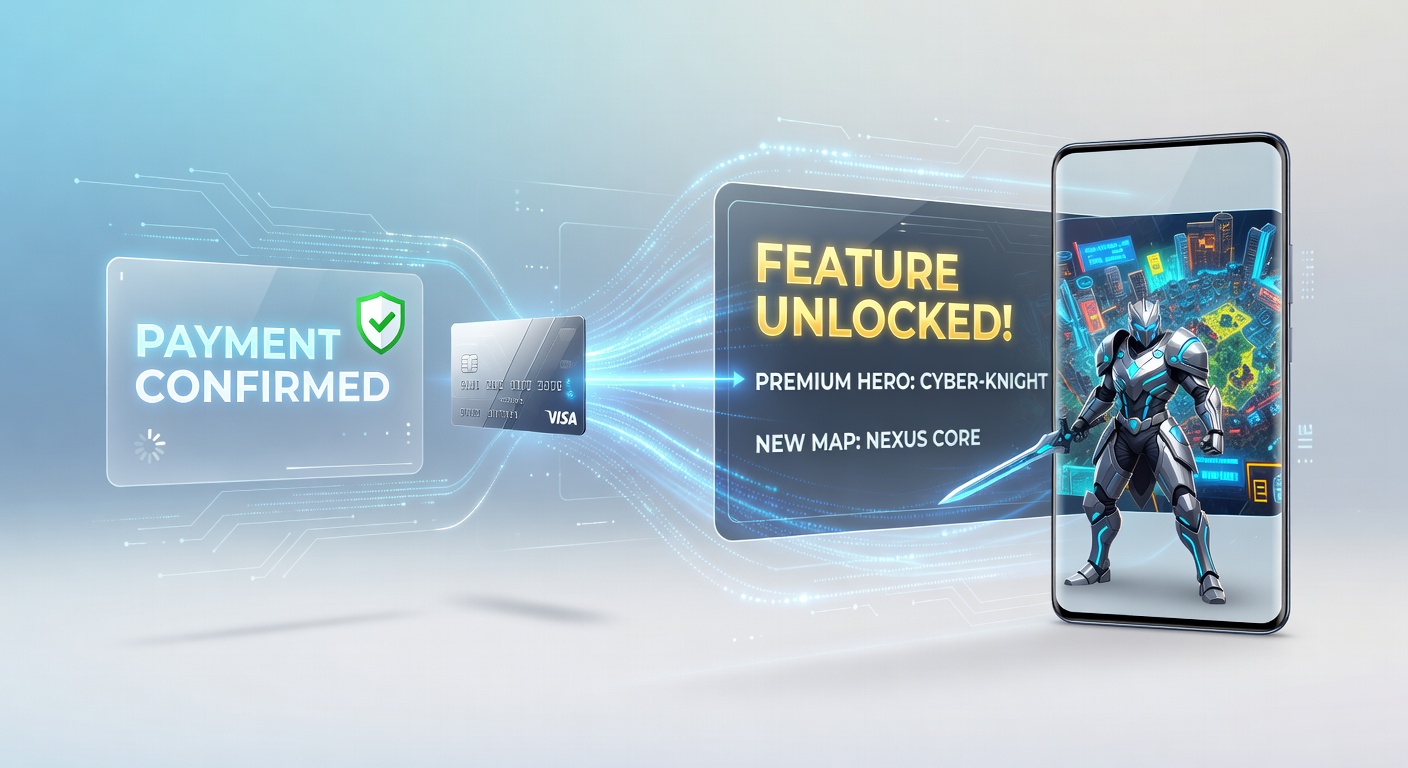
Payment confirmation systems now connect directly to feature unlock mechanisms across mobile progressive gaming platforms, allowing real-time access to multipliers, bonus rounds and progressive jackpots once transactions clear. Developers achieve this through API handshakes between payment processors and game servers that verify funds before releasing locked content. Observers note that such synchronization reduces latency from several minutes down to seconds in many deployments, and data from platform operators shows higher player retention when unlocks happen immediately after confirmation.
Core Components of the Synchronization Process
Transaction gateways transmit authorization codes to backend databases that track progressive states, while game clients poll these databases at set intervals to determine whether new features become available. Researchers have documented how token-based authentication prevents duplicate unlocks during high-traffic periods, and case studies from major studios reveal that combining webhook notifications with database triggers creates reliable pathways. Mobile operating systems add another layer through secure enclave processing that protects confirmation data before it reaches the game engine, which means feature releases stay synchronized even on devices with intermittent connectivity.
Technical Protocols Enabling Real-Time Unlocks
Modern implementations rely on standardized protocols such as ISO 20022 messaging for financial data alongside custom game telemetry formats that carry unlock parameters. When a deposit processes successfully the payment service pushes a signed payload to the gaming server, which then updates the player's progressive meter and notifies the client to display newly available content. Experts have observed that edge computing nodes positioned near regional data centers cut round-trip times further, allowing feature rollouts to coincide with confirmation receipts in under 800 milliseconds on average. Developers also incorporate fallback queues so that any delayed confirmations queue and process sequentially without disrupting ongoing sessions.
Regional Regulatory Influences on Implementation
Authorities in different jurisdictions impose varying requirements for audit trails and responsible gaming controls that directly shape how payment confirmations trigger unlocks. The Australian Communications and Media Authority requires timestamped records linking each transaction to subsequent feature access, while the Nevada Gaming Control Board mandates cryptographic verification of all unlock events. Australian Communications and Media Authority guidelines emphasize consumer protection measures that affect timing windows for progressive releases. In Canada the Alcohol and Gaming Commission of Ontario similarly reviews synchronization logs during licensing renewals, ensuring that players cannot access paid features before funds settle.
Impact on Player Behavior and Platform Metrics
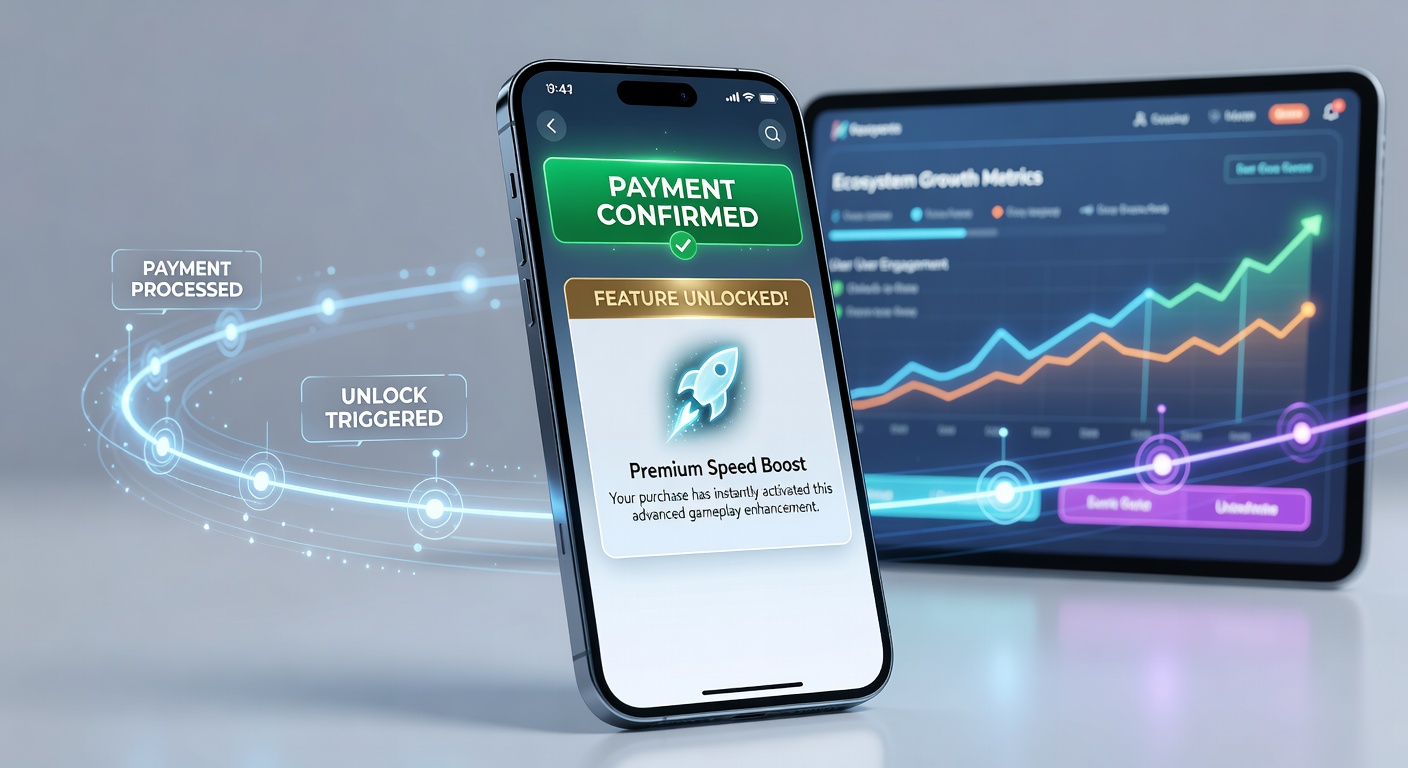
Analytics platforms record that synchronized unlocks correlate with increased session lengths and higher average revenue per user when compared with delayed release models. Studies from academic groups at the University of Nevada, Las Vegas have examined transaction logs paired with gameplay telemetry to quantify these patterns across thousands of accounts. The resulting datasets indicate that players who receive instant feature access after deposits tend to engage with progressive elements more frequently, although overall spend patterns remain governed by individual budgets rather than system design alone. Platform operators use these insights to adjust confirmation thresholds without altering the underlying probability structures of the games themselves.
Security Measures Protecting the Synchronization Chain
End-to-end encryption covers every step from payment initiation through feature activation, and multi-factor authentication at the account level prevents unauthorized unlocks even if device credentials are compromised. Penetration testing reports shared by industry consortia show that token expiration timers and rate-limiting rules effectively block replay attacks aimed at forcing premature feature releases. Observers note that regular third-party audits of both payment and game servers help maintain compliance while preserving the seamless experience players expect during progressive gameplay sequences.
Future Developments Expected by Mid-2026
By June 2026 several major networks plan to introduce blockchain-based settlement layers that could further compress confirmation times while adding immutable records of each unlock event. Pilot programs already underway test zero-knowledge proofs that verify payment success without exposing sensitive financial details to game servers. These advancements build on existing infrastructure rather than replacing it, which means current synchronization methods will continue operating alongside newer protocols during the transition period.
Conclusion
The alignment of payment confirmations with feature unlocks continues to evolve through technical refinements, regulatory oversight and security enhancements across mobile progressive gaming ecosystems. Data collected from multiple regions demonstrates measurable effects on session metrics while maintaining required compliance standards. As protocols mature, the core principle remains consistent: verified transactions must precede any release of paid or progressive content to preserve system integrity and player trust.