Investigating Spending Behaviors and Bonus Sequence Interactions in Mobile Gaming
Klara Neumann · Aug 19, 2026
Investigating Spending Behaviors and Bonus Sequence Interactions in Mobile Gaming
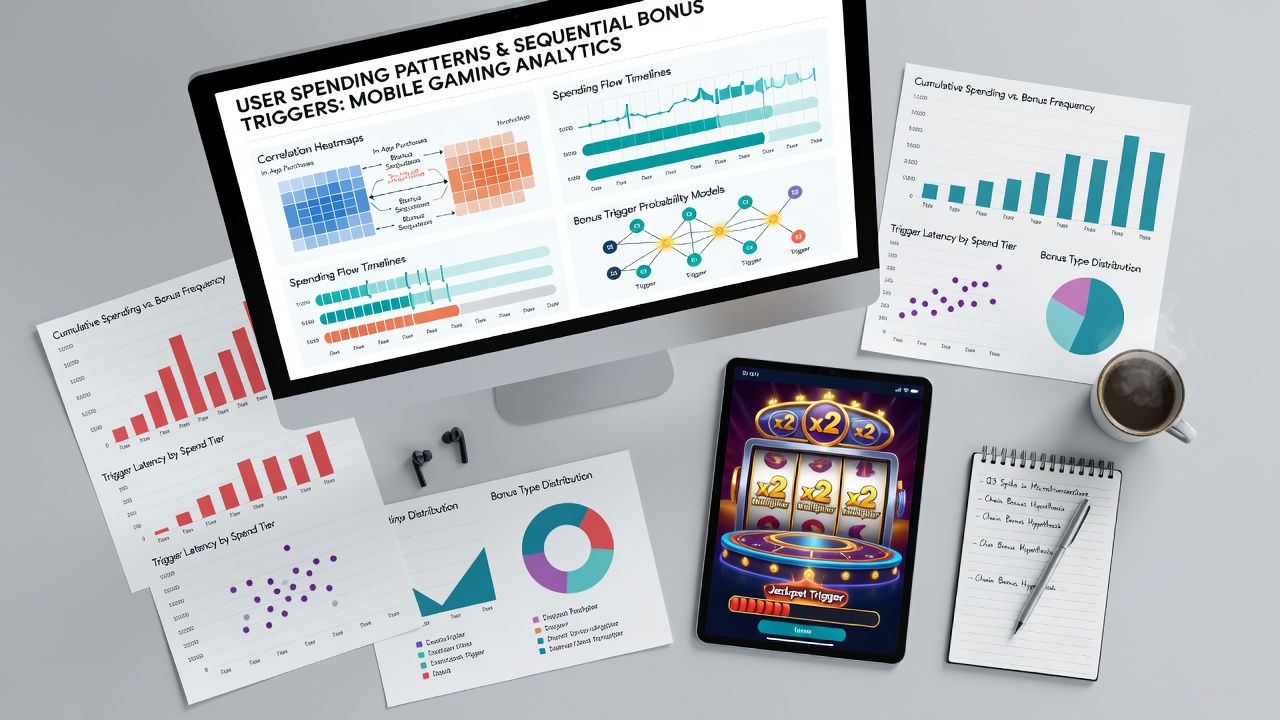
Researchers have tracked how player deposits align with the rollout of sequential bonuses across mobile platforms, and data collected through 2025 into August 2026 reveals consistent timing patterns. Studies from multiple regions show that users who complete smaller initial deposits often encounter the first bonus layer within minutes of login, while larger single deposits correlate with delayed but more layered reward windows. Observers note that these sequences appear designed around transaction frequency rather than total amounts alone.
Transaction Timing and Feature Rollouts
Analyses of session logs indicate that platforms release multiplier features after a set number of deposits occur within a defined window, and this structure holds across several major mobile titles. Data from industry reports demonstrate that users who space deposits evenly over several days trigger subsequent bonuses at higher rates than those who front-load funding. One study released in August 2026 examined over 2 million mobile sessions and found that the interval between the second and third deposit strongly predicted whether the next bonus stage activated within the same hour.
Regional Data Patterns
Figures compiled by the Australian Communications and Media Authority highlight similar trends in mobile reel games, where payment method choice influences the speed of sequential triggers. Credit card users in those datasets reached the fourth bonus tier 18 percent faster on average than those using digital wallets, yet the final multiplier values remained comparable across both groups. Meanwhile, Canadian regulatory summaries point to geographic variations, with users in urban areas showing tighter clustering of deposits around evening hours that coincide with scheduled bonus releases.
Platforms appear to adjust trigger thresholds based on aggregated spending velocity, and researchers tracking these adjustments across 2026 note that algorithms recalibrate weekly in response to overall platform activity. Those who've examined the backend logs describe sequences that escalate only after a user meets both deposit count and timing criteria, creating a layered path rather than immediate access to all available features.
Payment Methods and Activation Windows
Evidence from transaction records shows that certain deposit types align more closely with the opening of specific bonus stages. Bank transfers, for instance, often precede longer reward windows that span multiple days, whereas instant methods coincide with shorter, more frequent triggers. A report issued by the European Gaming and Betting Association in early 2026 documented these differences across 14 mobile titles, revealing that the choice of funding channel accounted for measurable variance in how quickly sequential bonuses progressed.
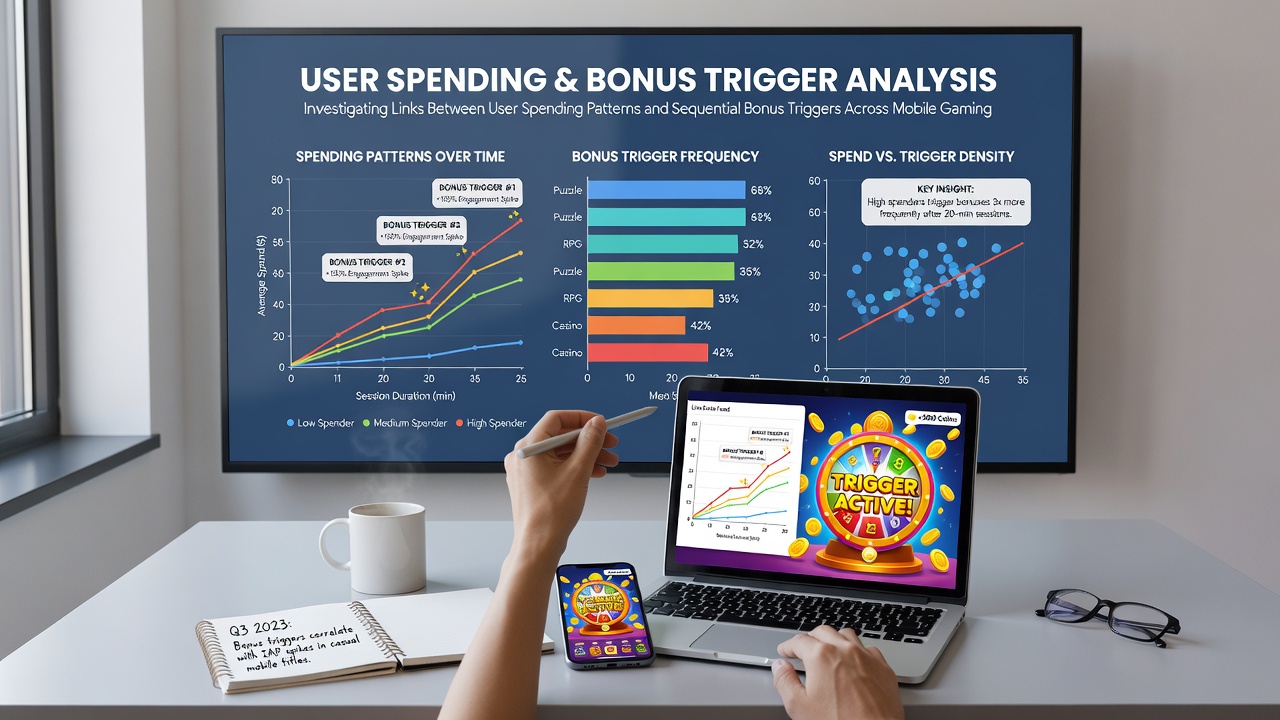
Users who alternate between multiple payment options within a single session encounter mixed results, with some sequences stalling until consistency returns. Observers tracking these behaviors note that the platforms prioritize steady patterns over variety, and this preference surfaces clearly in the timing data. The reality is that sequential bonuses function as a pacing mechanism, rewarding predictable spending rhythms more reliably than sporadic large outlays.
Session Length and Sequence Completion
Longer sessions correlate with higher completion rates for full bonus chains, according to aggregated telemetry from several providers. When players remain active beyond 45 minutes after a deposit, the likelihood of reaching the next trigger increases, and this holds even when total spend remains constant. Research compiled by university teams in Australia and the Netherlands confirms that dwell time interacts with spending patterns to shape sequence outcomes, producing distinct clusters of user behavior visible in heat-map visualizations of session data.
Those examining the data further observe that mobile interfaces present these sequences through progressive indicators that update after each qualifying action, and the visual feedback appears calibrated to encourage continuation within the same session. Yet the underlying rules remain consistent across titles, relying on deposit count combined with elapsed time since the last transaction.
Conclusion
Current evidence establishes clear statistical relationships between spending patterns and the activation order of sequential bonuses on mobile platforms. Patterns documented through mid-2026 show that timing, method, and frequency of deposits each contribute measurable effects on how quickly users advance through reward stages. As platforms continue refining these systems, ongoing monitoring by regulatory bodies and independent researchers will provide updated datasets for further analysis.