Linking Player Transaction Habits to Reel Feature Rollouts Across Mobile Gaming Platforms
Cameron Simmons · May 27, 2026
Linking Player Transaction Habits to Reel Feature Rollouts Across Mobile Gaming Platforms
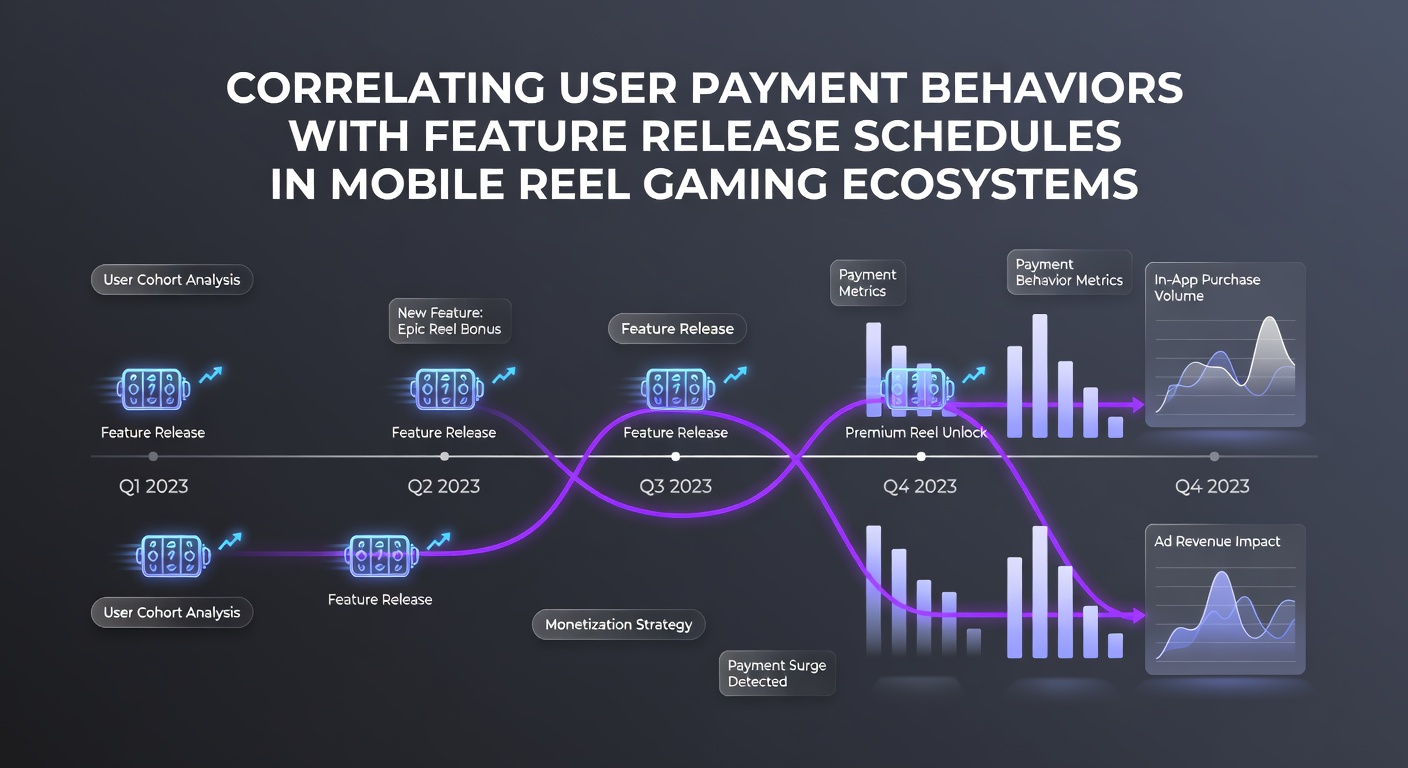
Payment patterns in mobile reel gaming often shift around scheduled feature releases, and analysts track these movements through aggregated transaction logs from major platforms. Data collected across multiple operators reveals that deposit volumes tend to rise in the days leading up to major reel expansions or new bonus mechanics, while withdrawal rates sometimes stabilize once the updates go live. Observers note that these correlations appear consistently in markets where real-time analytics track both user spending and development calendars.
Understanding the Core Relationship
Feature release schedules in mobile reel ecosystems follow predictable quarterly cycles for many developers, and payment behavior data aligns with those timelines in measurable ways. Studies from research institutions show that users increase transaction frequency when announcements about new reel configurations or progressive multipliers appear in app notifications. Those same datasets indicate that average deposit sizes grow by noticeable margins during the 72-hour window before launch, then plateau as players engage with the updated mechanics.
Operators collect this information through anonymized payment gateways and session logs, allowing teams to map spending spikes directly against code deployment dates. The patterns hold across different regions, though the strength of the correlation varies by regulatory environment and payment method availability. Canadian provincial data, for instance, highlights stronger pre-release deposit clustering when electronic wallet options expand alongside new game features.
Data Patterns Observed in 2026
Reports covering activity through May 2026 demonstrate that platforms releasing reel expansions on Tuesdays or Wednesdays see steadier transaction flows than those launching on weekends. Analysts attribute part of this consistency to user routines around midweek pay cycles, which coincide with many salary deposit dates in several countries. Figures from academic reviews of mobile gaming telemetry confirm that payment method preferences also shift, with credit card usage rising ahead of feature drops while digital wallet transactions dominate in the post-release period.
One dataset compiled by European gaming research groups found that users who complete at least three deposits in the week before a feature update maintain higher session lengths once the new reels activate. The same analysis tracked a modest decline in average transaction value during periods without scheduled releases, suggesting that content calendars influence spending rhythms more than random market fluctuations.
Regional Variations and Payment Method Influences
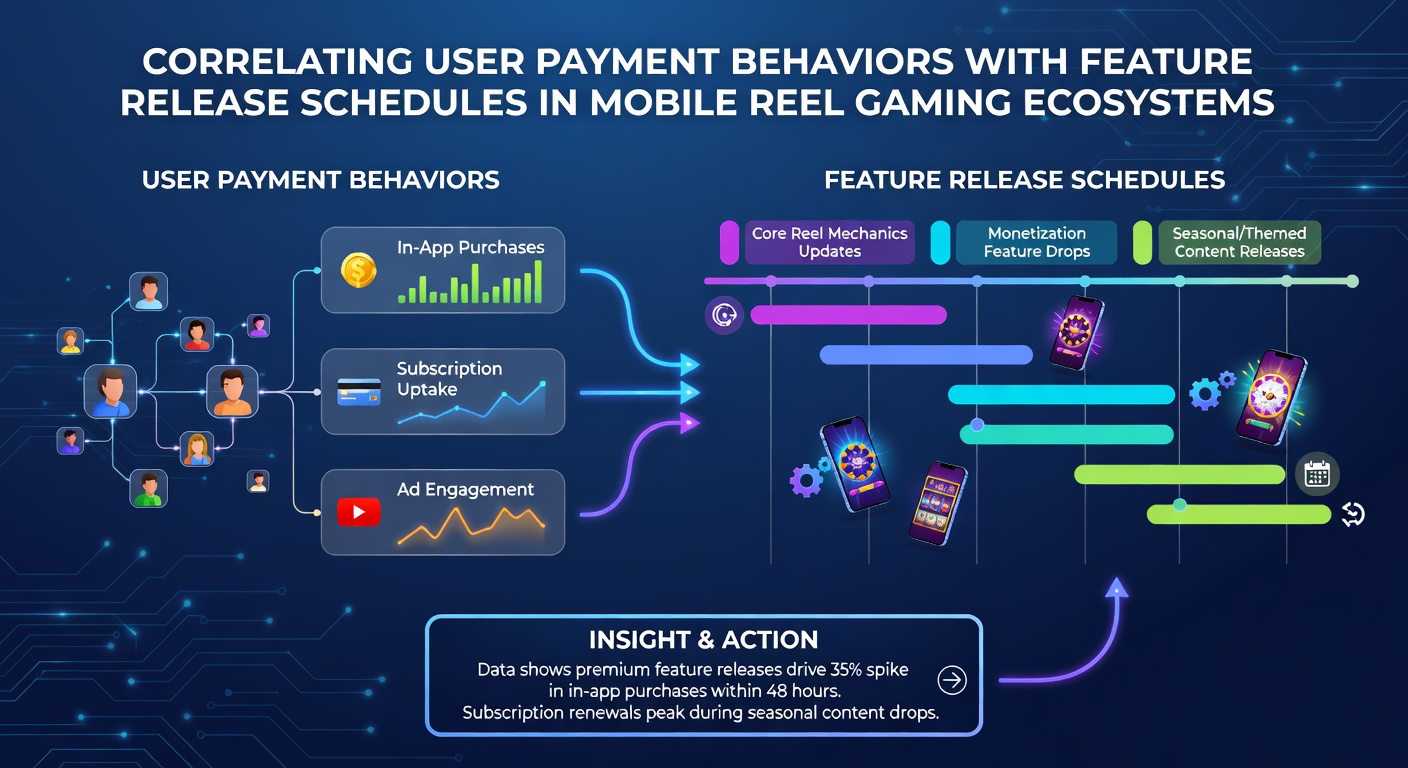
Australian regulatory filings from 2025 and early 2026 show that users in that market respond more strongly to feature announcements when instant bank transfer options remain available. Transaction logs indicate that deposit attempts cluster within hours of push notifications about upcoming reel mechanics, while regions relying primarily on card payments display slightly delayed but still measurable increases. Researchers tracking these differences point to infrastructure factors such as settlement speed and fee structures as contributing elements.
North American operators report similar alignments when they coordinate marketing pushes with actual code releases. Payment gateway statistics reveal that users who engage with teaser content about new bonus rounds complete more transactions in the pre-launch phase than those who receive no advance information. The correlation strengthens further when operators publish exact release dates rather than vague windows.
Technical Infrastructure Supporting These Correlations
Backend systems that log both payment events and feature deployment timestamps enable precise mapping of these relationships. Developers integrate timestamped event data from reel engines with transaction records, producing time-series visualizations that highlight spending changes around each update. Several platforms now employ automated alerts that flag when deposit volumes deviate from historical norms tied to release schedules.
These technical setups also capture secondary signals, such as changes in payment failure rates or shifts toward alternative funding sources immediately after new features appear. Data from industry reports shows that platforms maintaining synchronized logs achieve clearer visibility into how reel updates affect user financial behavior across different device types and operating systems.
Conclusion
Correlations between payment behaviors and feature release schedules continue to shape operational decisions in mobile reel gaming. Aggregated data from multiple markets demonstrates consistent patterns in deposit timing, method selection, and transaction volume around scheduled updates. As platforms refine their analytics capabilities, these relationships provide measurable inputs for planning both development cycles and payment processing resources. Continued monitoring through 2026 and beyond will likely reveal additional layers in how users interact financially with evolving reel ecosystems.