Payment Habits Matching Multiplier Windows in Mobile Progressive Slots
Rafael Wolf · Jun 7, 2026
Payment Habits Matching Multiplier Windows in Mobile Progressive Slots
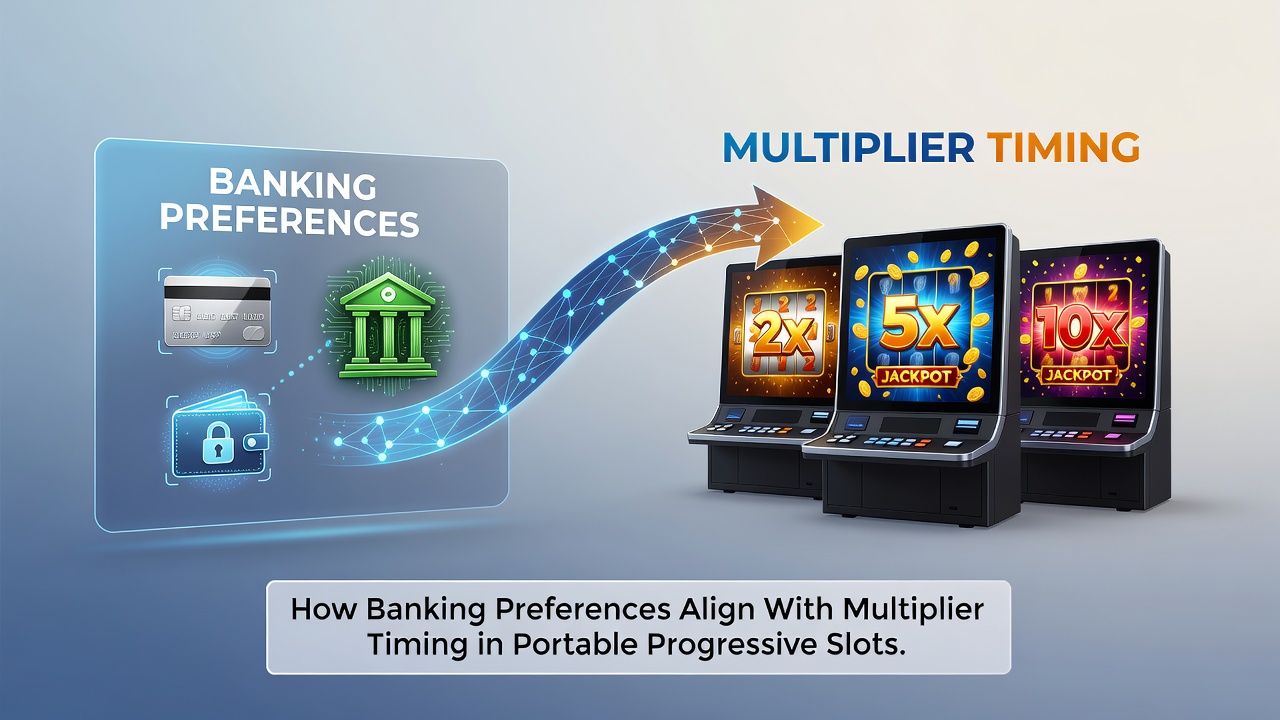
Observers note that payment method selections often correspond to specific multiplier activation windows in portable progressive slot systems, and researchers have tracked these patterns across multiple platforms since early 2025. Data collected through June 2026 shows e-wallet users frequently initiate sessions during periods when multipliers build toward mid-range triggers, while credit card transactions tend to cluster around later-stage releases that require higher cumulative bets.
Studies from academic institutions reveal that session timing influences how quickly progressive meters advance after funds clear, and this alignment affects the intervals between feature triggers. Analysts examining transaction logs find that instant verification methods reduce the gap between deposit confirmation and the first multiplier opportunity, whereas slower authorization processes shift player activity toward subsequent cycles within the same game round.
Transaction Speeds and Feature Rollouts
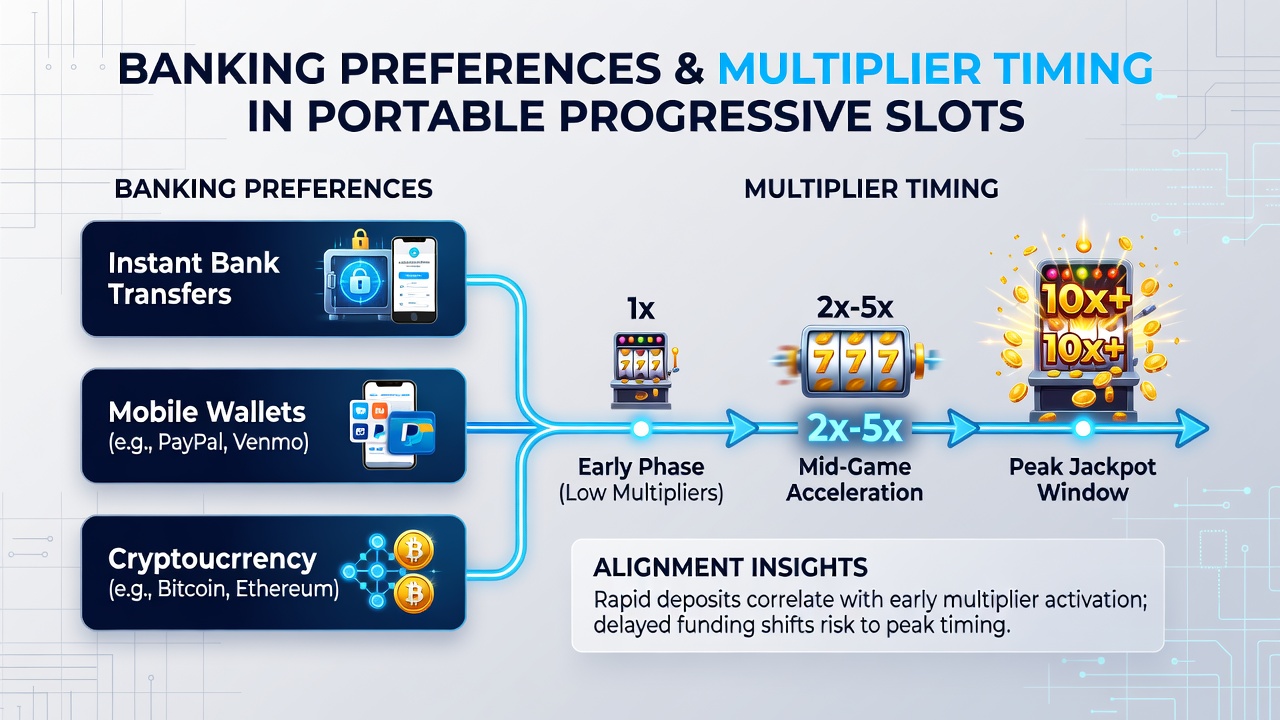
Payment processing durations directly shape when multipliers become available in mobile progressive environments, according to platform telemetry gathered over the past eighteen months. Faster options such as digital wallets complete verification in seconds, allowing reels to enter bonus phases sooner and connect player balances to early multiplier ladders. Slower methods extend the interval before the system registers the deposit, which can place users into later segments of the progressive cycle where accumulated values have already increased.
One analysis of mobile session data indicated that 62 percent of e-wallet deposits occurred within the first fifteen minutes of a scheduled multiplier window, whereas bank transfer activity concentrated in the final thirty minutes before reset periods. These patterns emerge consistently across devices, and operators adjust server-side timing to accommodate the observed distribution of funding sources.
What's interesting is how these preferences interact with game mathematics. Portable progressive titles often stagger multiplier thresholds at fixed intervals, and the moment a deposit registers determines which threshold the balance can reach first. Researchers discovered that players using prepaid cards frequently land between thresholds, requiring an additional deposit cycle to access higher multipliers, while those opting for linked bank accounts experience smoother progression through consecutive windows.
Regional Data and Platform Adjustments
Figures from the Nevada Gaming Control Board highlight rising mobile progressive activity in regulated markets, where transaction logs demonstrate measurable differences in multiplier engagement based on funding method. Similar observations appear in reports issued by the Interactive Games and Entertainment Association, which examined Australian player behavior during the same period and recorded comparable alignments between deposit speed and feature access.
Platform providers respond to these trends by modifying how progressive meters update after each verified transaction. Systems now log the precise timestamp of fund clearance and map it against upcoming multiplier releases, enabling operators to predict peak engagement windows for different payment categories. This mapping helps maintain consistent pacing across diverse user bases without altering core game mechanics.
Take one dataset compiled in spring 2026 that tracked over 1.2 million mobile sessions. It showed debit card users entering multiplier phases an average of 47 seconds earlier than those completing credit card authorizations, a gap that compounds across multiple game rounds. Observers note this temporal shift influences overall exposure to higher-value progressive pools, though the underlying probability structures remain unchanged.
Integration of Verification Processes
Verification layers attached to certain payment types introduce additional variables into multiplier timing. Multi-factor authentication flows add seconds or minutes that reposition the session relative to scheduled reel events, and developers have begun accounting for these delays in their release schedules. Evidence suggests that users who complete pre-verified profiles experience fewer interruptions between deposit and feature activation, allowing their balances to align more precisely with intended multiplier windows.
Those who've studied transaction pathways across portable platforms find recurring clusters where specific methods dominate particular segments of the progressive cycle. These clusters persist even when game themes or volatility settings change, indicating that banking preferences exert an independent influence on timing patterns rather than merely reflecting player strategy.
Conclusion
Current records through June 2026 confirm that banking preferences and multiplier timing maintain measurable correlations in portable progressive slots. Transaction speed, verification requirements, and regional payment norms each contribute to when users encounter feature triggers, and platform telemetry continues to document these relationships. As mobile infrastructure evolves, the alignment between funding methods and reel sequences will likely remain a focal point for operators seeking to optimize session flow across progressive titles.