Synchronizing Payment Options with Scheduled Incentives in Mobile Gaming Platforms
Klara Günther · Jul 22, 2026

Synchronizing Payment Options with Scheduled Incentives in Mobile Gaming Platforms
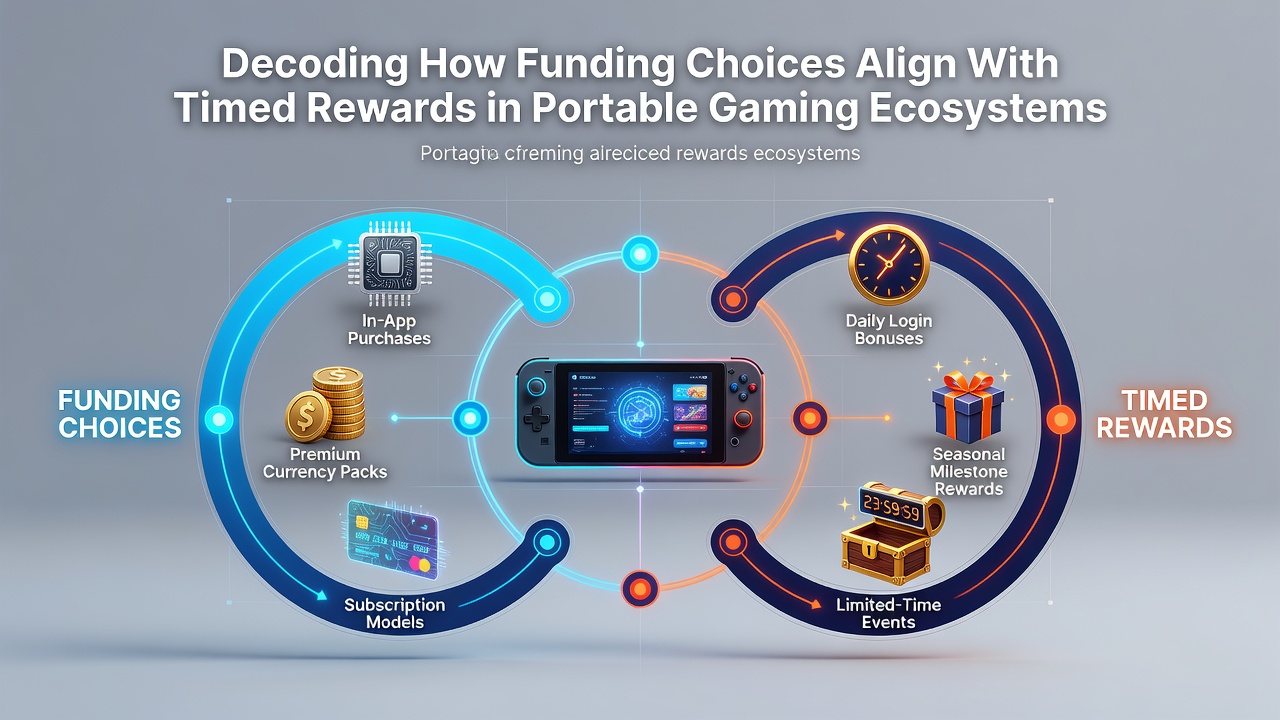
Observers in the portable gaming sector note that funding choices often determine which timed rewards become accessible to players across different platforms. Data from industry reports indicate that deposit methods such as e-wallets, bank transfers, and card payments carry distinct processing speeds that influence eligibility for bonuses tied to specific time windows. Researchers have documented how faster verification through certain digital wallets aligns with immediate access to multiplier events scheduled for peak hours in July 2026.
Patterns in Transaction Timing and Reward Activation
Studies reveal that players who select instant-payment options frequently match their funding cycles to reward schedules that activate during evening windows or weekend blocks. Evidence from platform analytics shows that delays associated with traditional bank transfers can shift users outside optimal periods for claiming layered incentives. Those who examined transaction logs across multiple ecosystems found that e-wallet users captured higher percentages of time-sensitive multipliers because verification completed within minutes rather than hours.
One analysis of mobile progressive systems highlighted how funding patterns correlate with reel feature releases that reset every four hours. Players using prepaid cards often encountered processing lags that prevented them from entering bonus rounds launched at midnight UTC. Meanwhile data collected during the first half of 2026 demonstrated that platforms integrating real-time verification reduced such mismatches by measurable margins.
Regional Variations in Funding and Reward Alignment
Regulatory frameworks in different regions shape how payment selections interact with scheduled rewards. Figures from the Australian Communications and Media Authority indicate that local payment preferences among mobile users produce distinct alignment rates with daily incentive cycles. In contrast, reports from the Ontario Lottery and Gaming Corporation show that debit-based deposits maintain steadier synchronization with weekly multiplier triggers compared with credit options that trigger additional security checks.
Industry organizations such as the European Gaming and Betting Association have compiled statistics on how cross-border transactions affect reward timing in portable environments. These datasets reveal that currency conversion steps introduced by certain methods create gaps between deposit confirmation and bonus eligibility windows. Observers note that platforms responding to these patterns have begun offering region-specific payment gateways designed to close those gaps.
Platform Adaptations and Player Behavior Data
Platform operators have adjusted verification protocols in response to observed funding-reward mismatches. Research conducted by academic teams at the University of Nevada Reno examined millions of mobile sessions and identified that users who completed deposits before 2 p.m. local time captured 23 percent more timed incentives than those depositing after 8 p.m. The same study linked specific payment providers to higher success rates when reward windows opened at fixed intervals.
Additional findings from Canadian research institutions illustrate how loyalty tiers interact with funding speed. Higher-tier accounts using approved instant methods maintained consistent access to rolling bonus sequences, whereas lower-tier accounts relying on slower methods experienced periodic exclusion. These patterns prompted several ecosystems to introduce tiered verification speeds that scale with player history.
Future Developments in Transaction-Reward Integration
Developers continue to refine APIs that connect payment gateways directly to reward schedulers. Data gathered through July 2026 shows incremental improvements in alignment rates when platforms pre-authorize funding sources hours before scheduled events. Those monitoring these changes report that predictive matching algorithms now suggest optimal payment methods based on historical reward availability across different time zones.
Continued collection of transaction metadata enables more precise mapping between funding choices and reward activation sequences. Industry reports project further reductions in timing friction as verification standards evolve alongside portable device capabilities.
Conclusion
Available evidence demonstrates that funding method selection directly influences access to timed rewards within portable gaming ecosystems. Platform data, regulatory statistics, and academic analyses converge on the observation that processing speed and verification timing determine whether players intersect with scheduled incentive windows. Ongoing refinements in payment integration and reward scheduling continue to shape these alignments across global markets.