Tracing Distinct Navigation Patterns Through Payment Systems in Mobile Reel Games
Morgan Wolf · Aug 23, 2026
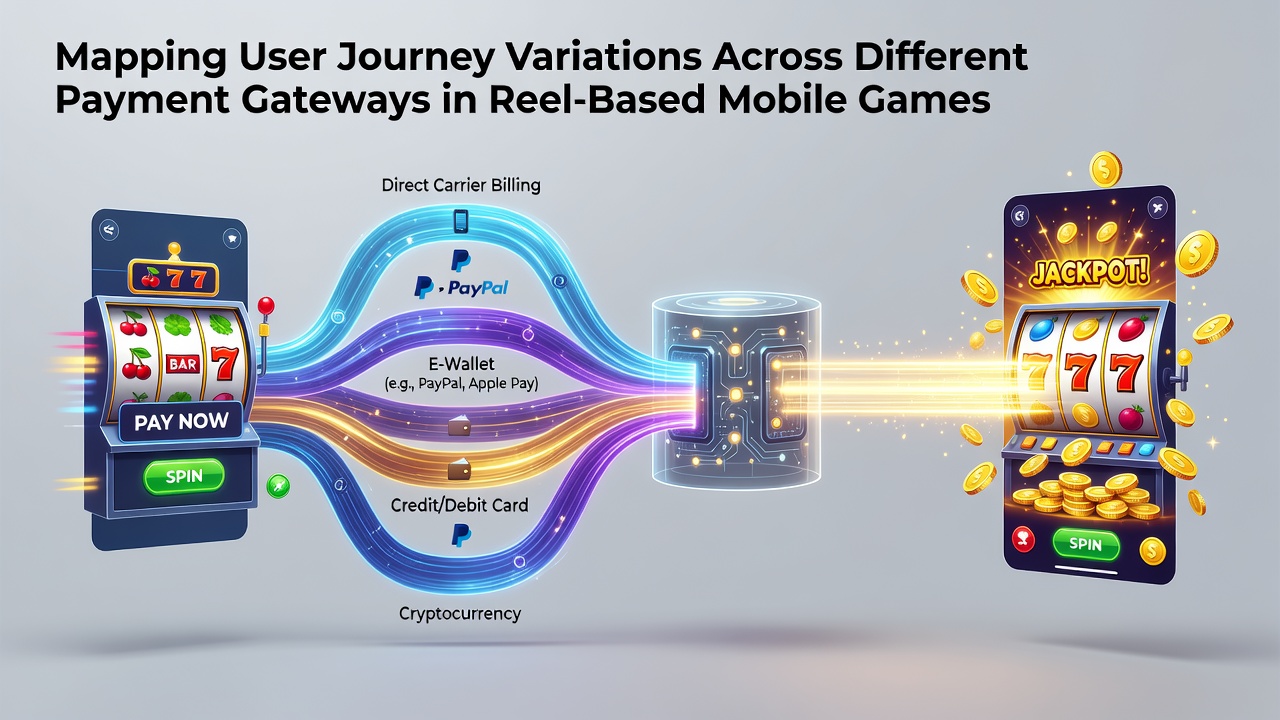
Tracing Distinct Navigation Patterns Through Payment Systems in Mobile Reel Games
Payment gateways in reel-based mobile games create measurable differences in how players move from deposit initiation to active gameplay, and these patterns have become more pronounced as platforms expand their transaction options. Data collected across multiple operators shows that credit card processing typically routes users through verification steps that can extend the time before reels begin spinning, whereas e-wallet integrations often compress that interval into seconds.
Core Components of Gateway-Specific Journeys
Each gateway type imposes its own sequence of authentication, confirmation, and fund release stages, which directly alters the overall player path. Bank transfers, for instance, require external account confirmation that pulls users away from the game interface temporarily, while instant payment solutions keep activity contained within the app environment. Studies from payment technology providers indicate that these structural differences influence session length and feature engagement timing in measurable ways.
Observers note that digital wallet routes frequently align with immediate access to bonus rounds because the verification layer completes before the game server registers the deposit. In contrast, traditional card networks insert an additional authorization call that can delay the same feature trigger by several minutes. As of August 2026, platform analytics continue to record these timing variances across major mobile reel titles.
Regional Gateway Preferences and Flow Impacts
Geographic location shapes which gateways dominate and therefore which journey patterns appear most often. In markets where local banking apps integrate directly with gaming platforms, users experience fewer redirects and maintain continuous interaction with reel mechanics. Elsewhere, reliance on international card schemes introduces extra security checkpoints that fragment the path into distinct phases separated by waiting periods.
According to data shared by the European Gaming and Betting Association, transaction completion rates vary significantly depending on whether the chosen gateway supports one-click authentication. These variations affect how quickly players reach multiplier stages or progressive jackpot pools after funding their accounts.
Verification Timing and Feature Access Correlations
Verification requirements embedded in different gateways produce observable shifts in when users encounter game features. Systems that perform real-time identity checks allow deposits to unlock scheduled bonus windows without interruption, whereas gateways with batch processing can push the same deposit past the active window. Research compiled by industry monitoring groups shows that players using faster gateways log higher numbers of consecutive reel spins within the first five minutes after deposit.
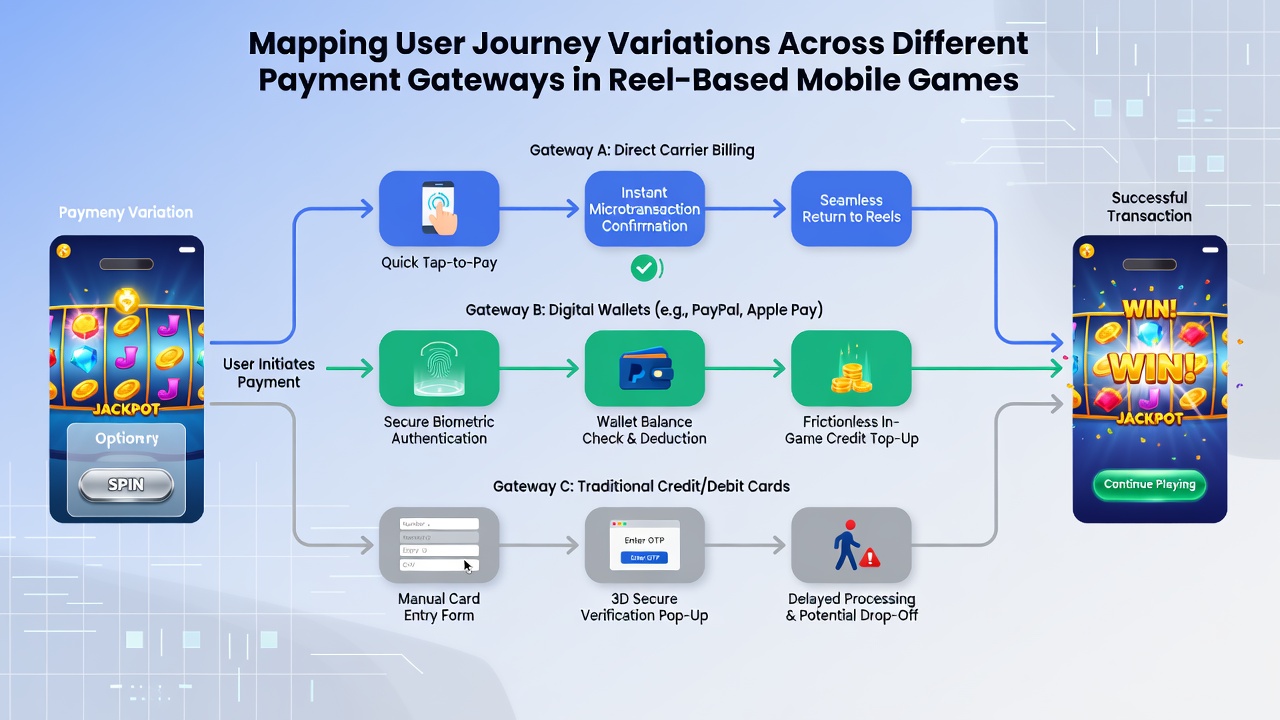
One study released by payment infrastructure analysts found that e-wallet pathways reduce the average steps between deposit confirmation and reel activation by nearly half compared with card-based routes. This compression occurs because fewer external redirects occur and session tokens remain valid across the transaction boundary. Those who have examined transaction logs across platforms report that the effect appears consistently regardless of specific game title.
Integration Points Between Gateways and Game Servers
Technical handoffs between payment providers and game servers determine whether deposit events register in time for scheduled multiplier releases. Gateways that transmit confirmation payloads directly to the game backend enable immediate feature eligibility, while those requiring intermediary reconciliation services introduce measurable lag. Platform operators have documented these integration differences in internal reports that track deposit-to-spin intervals for each supported method.
Additional layers such as fraud scoring performed by certain gateways can further extend or shorten the journey depending on risk thresholds applied to individual transactions. When scoring completes quickly, users proceed to reels without additional prompts, yet elevated scrutiny routes produce extra confirmation screens that interrupt flow. Evidence from transaction monitoring systems illustrates that these scoring variations contribute to the overall diversity of user paths observed across reel-based mobile titles.
Conclusion
Mapping user journey variations across payment gateways reveals consistent structural differences driven by verification steps, integration speed, and regional preferences. These differences manifest as measurable timing gaps between deposit and reel engagement, as well as shifts in when players access bonus features. Continued collection of pathway data through August 2026 and beyond will likely refine understanding of how specific gateway configurations influence navigation within mobile reel environments.