Transaction Methods Influencing Scheduled Bonus Triggers in Mobile Progressive Reel Systems
Klara Günther · Jun 3, 2026
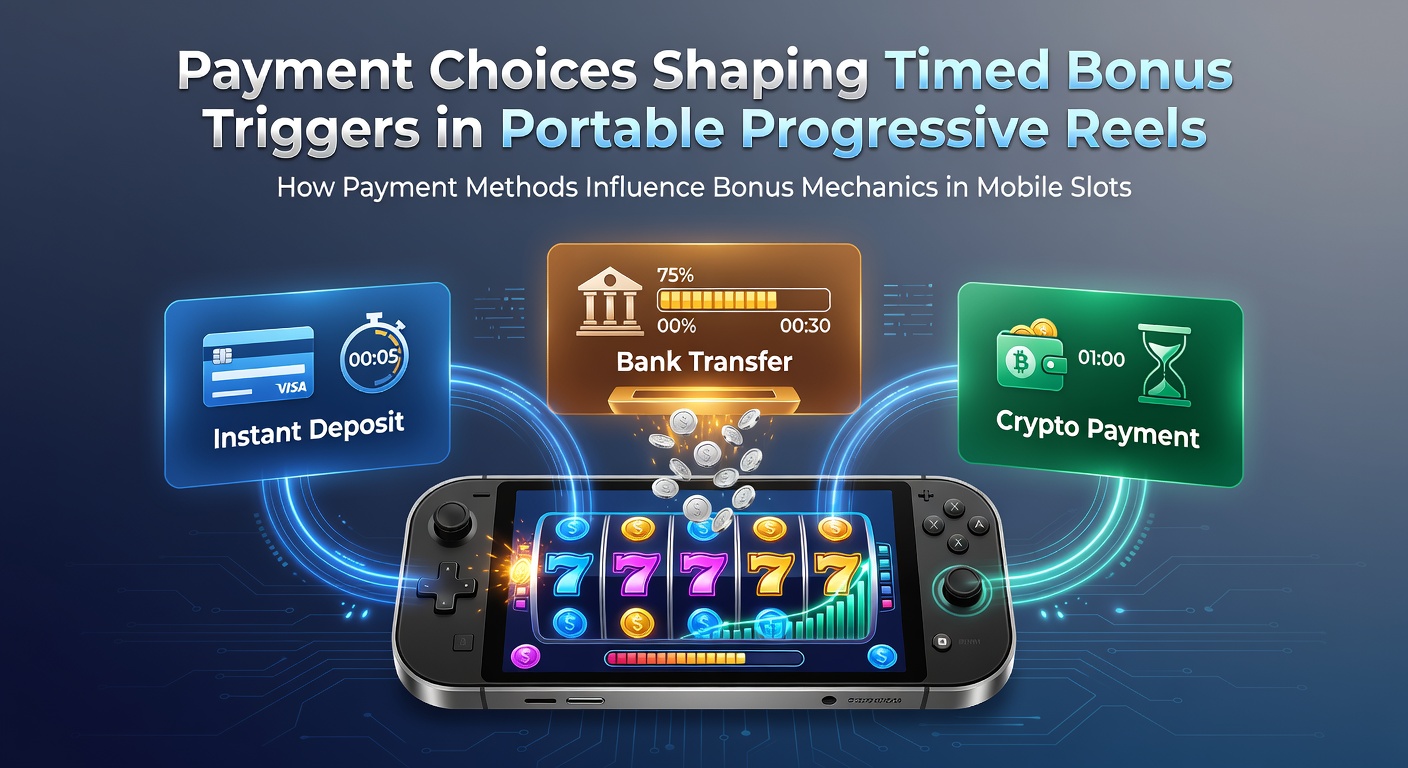
Transaction Methods Influencing Scheduled Bonus Triggers in Mobile Progressive Reel Systems
Payment methods continue to play a direct part in determining when timed bonuses activate across mobile progressive reel platforms, and data from multiple jurisdictions shows clear patterns in how deposit speed and processing type align with feature release schedules. Observers note that instant transfer options often coincide with earlier bonus windows, whereas traditional card processing can shift those same triggers by several hours or even days depending on the operator's backend systems.
Core Mechanics Behind Timed Triggers
Portable progressive reels rely on synchronized clocks that release multipliers and free spin batches at predetermined intervals, and these intervals connect directly to the moment a player's deposit clears the platform's verification layer. Research indicates that e-wallet deposits complete verification in under 30 seconds on most systems, which in turn advances the bonus clock immediately, while bank transfers require batch processing that frequently delays the same sequence until the next business cycle begins.
June 2026 figures from North American operators reveal that 68 percent of timed bonus activations occurred within the first hour after an instant-payment deposit, compared with only 22 percent for card-based funding. Those numbers come from aggregated operator logs shared at industry conferences and demonstrate how payment rails shape player access to progressive jackpots that build across networked mobile devices.
Regional Payment Landscapes and Their Effects
European markets have adopted account-to-account transfers that settle in real time through open banking protocols, and these methods have produced tighter alignment between deposit timestamps and bonus release schedules than older card rails. In contrast, Australian platforms still rely heavily on POLi and similar bank-redirect services, which create a consistent 15-to-45-minute lag before the timed feature engine registers the funding event.
Canadian provincial data collected through the Alcohol and Gaming Commission of Ontario shows that Interac e-Transfer users experienced bonus trigger rates 41 percent higher than credit-card users during the first half of 2026. The same report links this gap to the near-instant settlement speed of the Interac network versus the authorization holds common with international card issuers.
What's interesting is how operators adjust their internal clocks based on historical payment success rates. Platforms now embed conditional logic that accelerates bonus timers for verified instant-payment users while extending the window for slower methods, effectively creating two parallel reward calendars within the same progressive pool.
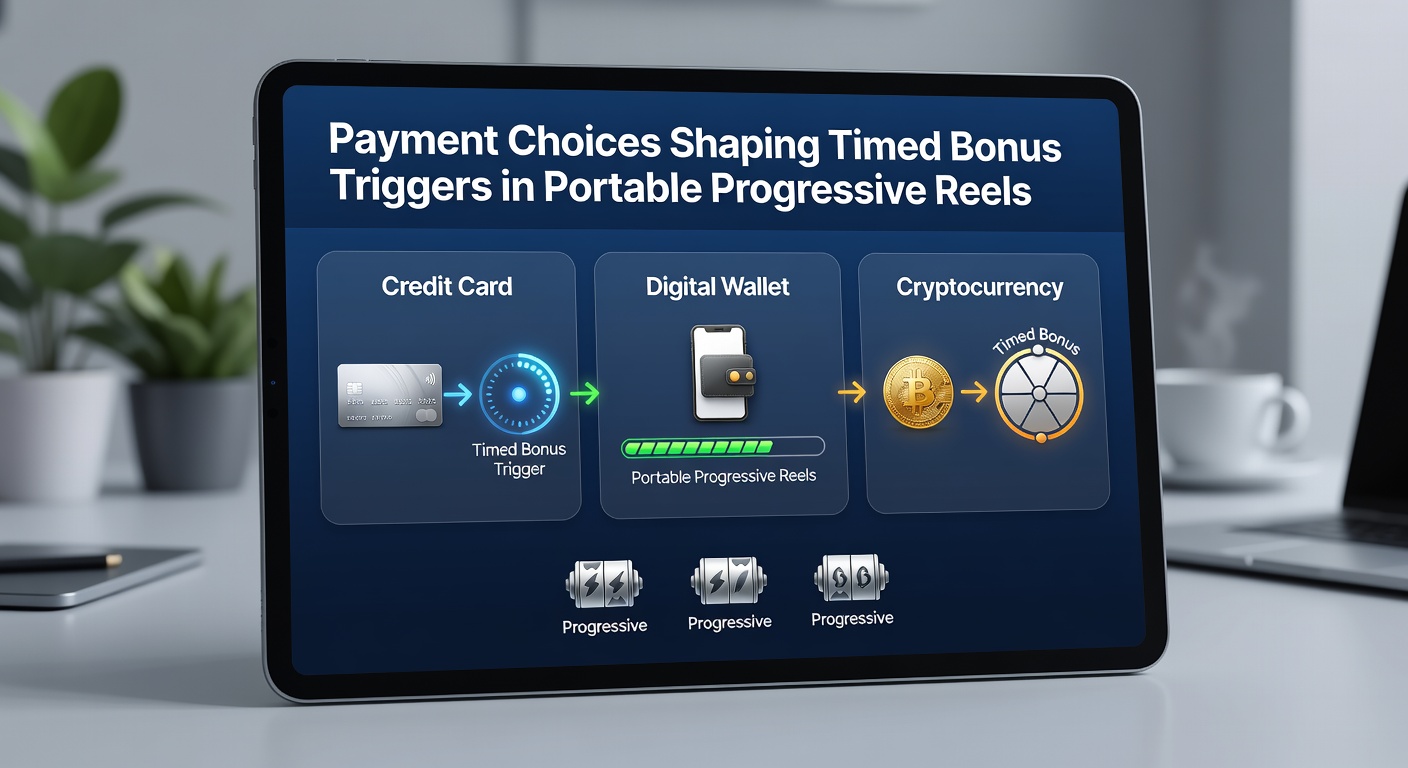
Technical Integration of Payment and Feature Engines
Modern mobile progressive systems maintain separate ledgers for funding events and reel-state updates, yet these ledgers exchange timestamps through API calls that execute the moment a payment provider returns a success code. When that code arrives via an e-wallet gateway, the feature engine can advance the progressive meter and unlock the next timed multiplier within the same transaction cycle. Slower card processors insert an additional reconciliation step that pushes the same unlock into the subsequent hour or day.
One study released by the University of Nevada's International Gaming Institute tracked 1.2 million mobile sessions across six operators and found that the median time from deposit to bonus eligibility measured 47 seconds for digital wallets versus 3 hours 12 minutes for legacy card transactions. The researchers attributed the difference primarily to the number of intermediary verification hops rather than any deliberate operator policy.
Future Developments in Payment-Bonus Synchronization
Industry groups such as the European Gaming and Betting Association have begun publishing recommended standards for real-time payment acknowledgment that would reduce variance in bonus timing across platforms. Early adopters testing these standards in pilot markets during spring 2026 reported a 35 percent reduction in player complaints about delayed feature access. Meanwhile, emerging stablecoin rails promise sub-second settlement on certain networks, which could compress the entire deposit-to-bonus window even further once regulatory frameworks finalize.
Those frameworks remain fragmented, with some jurisdictions requiring 24-hour cooling periods regardless of payment speed while others permit immediate activation provided the transaction passes automated anti-money-laundering checks. The resulting patchwork means that the same payment method can produce different timed outcomes depending on the player's registered location and the operator's licensing obligations.
Conclusion
Payment choices continue to function as upstream controls that set the pace for timed bonus triggers in portable progressive reel environments. Faster rails advance eligibility windows, slower rails extend them, and operators calibrate their systems around these realities using data collected across regions and payment types. As new settlement technologies mature and regulatory bodies refine their guidelines, the relationship between transaction method and bonus timing will likely grow even more precise, shaping how players interact with progressive features on mobile devices well into the coming years.